
 EN
EN
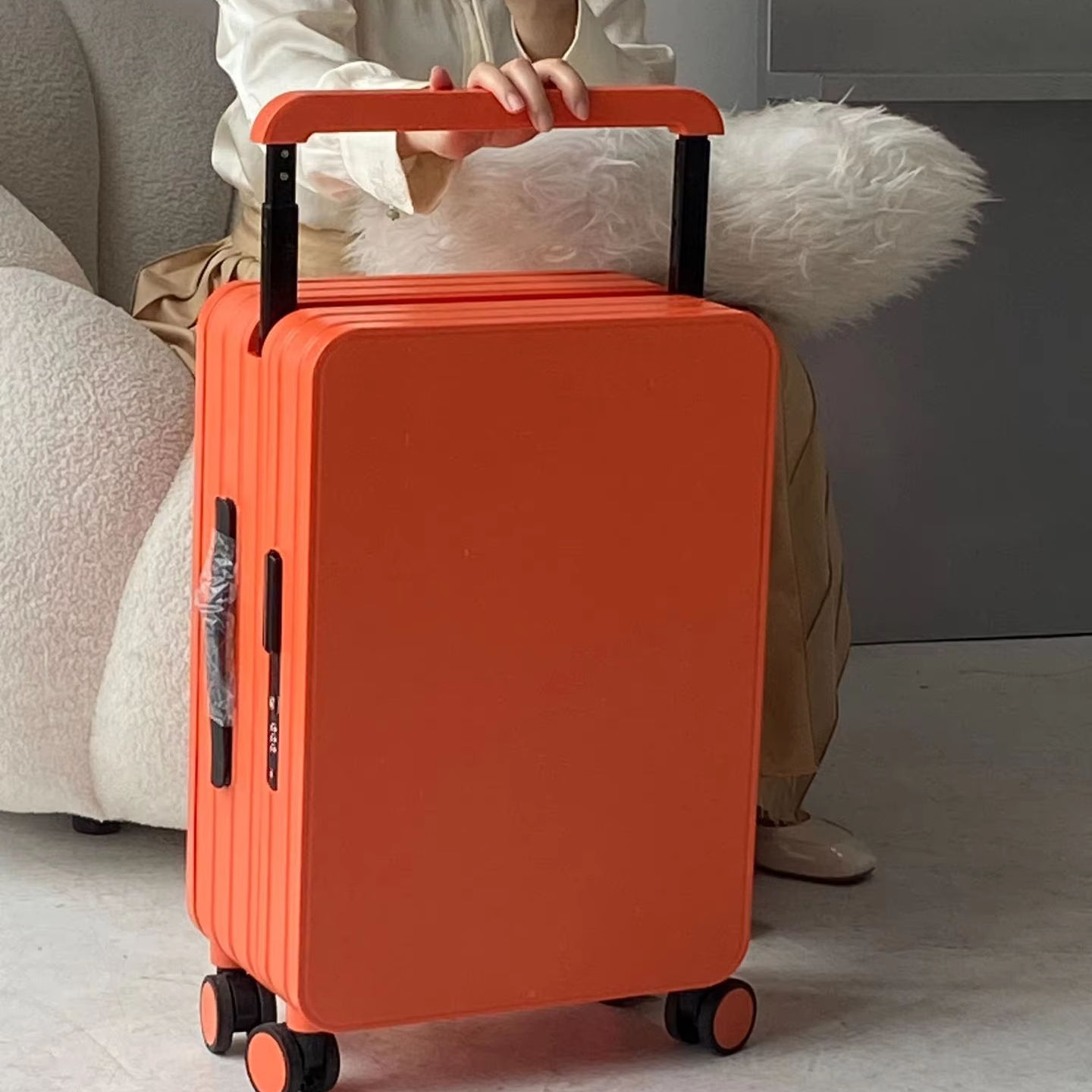
Shell Material: The Foundation of Suitcase Durability
Polycarbonate vs. Aluminum vs. Ballistic Nylon: Real-World Impact Resistance and Flexibility Trade-Offs
The material of your suitcase shell really matters when it comes to protecting against all the rough treatment bags get during travel. Polycarbonate has this great ability to bend when hit, so it can soak up impacts without actually breaking apart. That makes it pretty good for dealing with those conveyor belt mishaps and getting tossed around in overhead compartments. Aluminum cases are super stiff and won't get crushed easily, but they do show permanent dents if something sharp hits them hard enough. Ballistic nylon stands out because it resists tearing and punctures while remaining flexible enough to handle rough conditions outside traditional airports. However, these nylon suitcases need extra reinforcement since the fabric itself doesn't provide much structural strength on its own.
Industry drop tests confirm these real-world behaviors:
| Material | Impact Resistance | Flexibility | Best Use Case |
|---|---|---|---|
| Polycarbonate | High | Moderate | Airport handling |
| Aluminum | Extreme | Low | Overhead compartment |
| Ballistic Nylon | Moderate | High | Irregular terrain |
Why Hybrid Shells Outperform ABS and Polypropylene in Drop and Scratch Testing
Hybrid shell materials like polycarbonate mixed with nylon actually fix some big problems that single material luggage has. According to tests run by Luggage Lab back in 2023, these layered constructions resisted cracking about 32 percent better than regular ABS plastic. Standard polypropylene is pretty fragile stuff really. When dropped from normal conveyor belt heights during baggage handling, it tends to develop three times as many stress fractures compared to these hybrid options. The way these hybrids work is pretty clever too they spread out the impact force across multiple layers without losing their shape or flexibility. And let's talk about scratches for a moment. Hybrid surfaces stay looking good even after over 50 abrasion tests, while cheaper plastics start showing marks way before reaching 20 cycles. All this strength combined with light weight and scratch protection makes them much better suited for dealing with what happens to bags during travel.
Hardware & Construction: Where Durability Is Engineered
Zippers, Seams, and Reinforcement: YKK #8 Coil Zippers and Bar-Tacked Stress Points Explained
Zippers go through a lot of wear and tear every day from being packed and unpacked, not to mention all the bouncing around they get on baggage carousels. That's why quality components just can't be ignored. Take heavy duty YKK #8 coil zippers for instance. These have bigger teeth that actually lock together, so they don't jam as easily. They also hold up to three times more pulling force than regular #5 zippers. What about those seams? Bar tacking matters a lot too. This means multiple stitches right where the bag takes the most stress points such as handles, corners, and near the bottom of zippers. According to Luggage Lab research from 2023, this method boosts tear resistance by about 40% over simple single thread stitching. Combine that with strong zipper tape attached properly to the main body of the bag, and we're looking at something that stays put even when handled roughly something travelers know all too well after seeing zippers come undone mid-flight.
Corner Guards, Internal Frames, and Stitch Density: Hidden Indicators of Long-Term Structural Integrity
The corner guards on luggage come in different forms these days, like molded polycarbonate bumpers or those aluminum rivet plates we see so much of lately. These little protectors basically take the hit for the suitcase itself. Some testing has found that they cut down on shell cracks by about two thirds during those drop tests that manufacturers run. When it comes to internal frames, most are built with either aircraft grade aluminum or those fancy carbon reinforced composite materials. This makes all the difference when stacking bags or packing them beyond their limits. Without those frames? Frameless suitcases tend to warp pretty badly after just a few really heavy trips through airports. And speaking of construction details, stitch density matters a lot too. The number of stitches per inch, which everyone calls SPI in the business, gives us a pretty good idea how long those seams will hold up under normal wear and tear.
| SPI Range | Performance Impact |
|---|---|
| <6 SPI | High risk of splitting |
| 7–8 SPI | Balanced strength and service life |
| 9+ SPI | 30% fewer seam failures after 5 years |
Higher SPI spreads tension evenly, preventing localized stress points. Together with corner plating and internal bracing, these features form a load-bearing “skeleton” that sustains structural integrity across hundreds of trips.
Wheels and Handle Systems: Critical for Operational Longevity
Spinner vs. Dual-Caster: Rolling Endurance, Vibration Damping, and Airport Surface Performance
The wheels and handle design really make all the difference when it comes to daily use and how durable these bags stay over time. Spinner systems with those four little wheels let travelers glide around busy airport terminals without straining their wrists too much. But there's a catch. Those tiny wheels tend to give out faster on rough terrain like cobblestone streets or when moving between gates via those awkward jet bridges. About 27% more breakdowns happen there compared to smoother surfaces. Then we have the dual caster models with just two big wheels lined up front to back. These offer better stability and can soak up bumps from runways and protect against curb damage. The downside? They take significantly more effort to steer through narrow spaces, maybe around 40% more force than spinners do. Still, they roll better across varied pavement conditions. When dealing with mixed surfaces during travel, look for sealed bearing spinners with extra strong wheel casings or go for oversized dual casters featuring thermoplastic rubber treads. The TPR material cuts down on annoying tile squeaks by about 19 decibels and holds up better against hot tarmac surfaces that melt regular rubber soles.
Weight-Durability Balance: Making Smart Trade-Offs for Your Travel Needs
When we talk about durability for luggage, it goes beyond just being tough stuff. It really comes down to making smart choices that fit how people actually travel these days. Polycarbonate bags weighing around 7 pounds or less make flying easier since they fit within airline restrictions and aren't so heavy to carry around, though they don't hold up as well when dropped or bumped into sharp objects compared to those with metal frames. Ballistic nylon models tend to last longer through rough handling and scratches, but watch out because many budget airlines won't let them pass due to their heavier weight. Those who travel all the time usually find hybrid materials work best after putting them through dozens of trips each year. Casual travelers might care more about easy carrying rather than maximum protection. Look for quality zippers from YKK rated at least number 5, strong corner reinforcements, and good stitching throughout instead of going purely for lightness. Keep in mind that adding even one pound cuts down space inside by roughly 10-15 percent, but makes the bag last much longer overall. So pick what works for how often someone travels, what kind of transportation they use, and what kind of stuff they typically pack.
Layered Protection Features: Beyond the Shell
TSA Locks, Waterproof Zippers, and Interior Cushioning: How Multi-Layer Defense Prevents Real-World Damage
Real durability doesn't come from just having a strong outer shell but is built into how the whole system works together. The TSA approved locks we use actually stop damage when bags go through security checks. Baggage handlers report these locks cut down on broken latches by around two thirds compared to older models. For keeping stuff dry inside, our watertight zippers have special laminated seals similar to what's found in AquaGuard technology. These really block out rainwater, accidental spills, and even moisture buildup that can ruin sensitive items like electronics or important papers. Inside the case itself, there are compression straps plus modular foam panels strategically placed throughout. They help soak up impacts at spots where things tend to get damaged most often. This actually makes a big difference since bouncing around inside cases causes about 42 percent of all internal damage according to recent research from Travel Gear Institute in 2023. Our approach tackles multiple common ways luggage fails over time.
- Forced entry: Reinforced lock housings resist pry tools and leveraged tampering
- Moisture ingress: Sealed zipper systems maintain dry interiors across climates
- Content shift: Adaptive cushioning dampens high-G impacts during automated sorting
When integrated intentionally, these features create systemic resilience—far exceeding what any single material or component could achieve alone.
Frequently Asked Questions
What is the most durable suitcase shell material?
Polycarbonate and hybrid shell materials are known for their durability and impact resistance, making them ideal for frequent travel and rough handling.
Are spinner wheels or dual-caster wheels better for travel?
Spinner wheels are more maneuverable on smooth surfaces like airport terminals, while dual-caster wheels provide better stability and durability on rough terrain.
How do TSA locks enhance luggage durability?
TSA locks reduce the likelihood of forced entry and damage to the bag, as baggage handlers report fewer broken latches with their use.
Does stitch density really affect suitcase durability?
Yes, higher stitch density, or SPI, results in stronger seams that hold up better over time, providing improved structural integrity.
Table of Contents
- Shell Material: The Foundation of Suitcase Durability
- Hardware & Construction: Where Durability Is Engineered
- Wheels and Handle Systems: Critical for Operational Longevity
- Weight-Durability Balance: Making Smart Trade-Offs for Your Travel Needs
- Layered Protection Features: Beyond the Shell
- Frequently Asked Questions