
 EN
EN
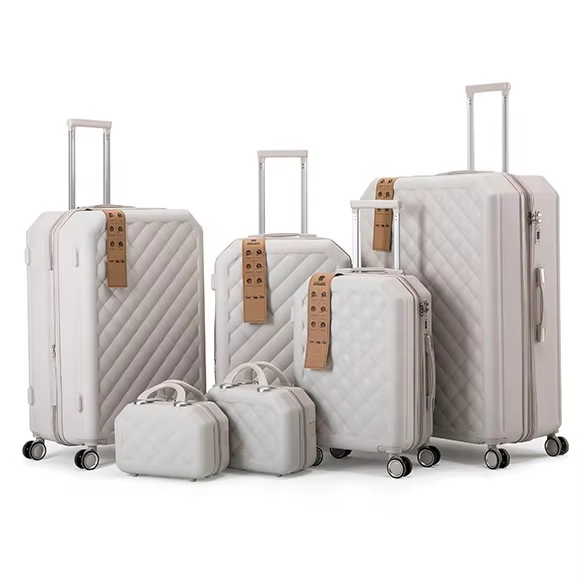
Key Maletas Durability Factors for Long-Haul Resilience
Shell Material Showdown: Polycarbonate vs. Ballistic Nylon for Impact and Flex Resistance
When it comes to luggage materials built for the long haul, polycarbonate and ballistic nylon each bring something different to the table. Polycarbonate stands out for how tough it is against impacts, which matters a lot during rough handling at airports. The better quality stuff can actually take falls from over 1.5 meters without cracking. But there's a catch: this material gets pretty fragile in extreme temperatures, becoming brittle if it gets too cold (below -15 degrees Celsius) or too hot (above 45 degrees). Ballistic nylon tells a different story altogether. What makes it special is its ability to handle repeated bending and compression, like when suitcases get piled up or squished together in tight spaces. That helps prevent those annoying pressure points where bags tend to break down. On the downside though, regular ballistic nylon doesn't hold up well against airport conveyor belts that wear surfaces down over time. Laminated versions do much better though, showing about 60 percent less surface damage compared to standard weaves. For travelers who need maximum protection against crushing forces in cargo holds, polycarbonate remains the top choice. But when dealing with unpredictable loads that require some give and take, ballistic nylon still has its place. Testing shows polycarbonate maintains its shape through hundreds of compression cycles, whereas nylon tends to lose around 20 percent of its strength after similar amounts of flexing.
Structural Reinforcement: Why Corner Guards, Frame Rigidity, and Seam Welding Matter Most
About 40% of suitcase failures happen at the corners during shipping journeys, so reinforcing these areas really can't be ignored. When tested in standard 1.2 meter drops, suitcases with aluminum corner reinforcements show a 55% lower chance of getting damaged compared to those with just plastic caps. The frame strength matters too. Suitcases built with aircraft grade aluminum can handle three times the twisting force as ones made from fiberglass, which means they won't warp even when packed beyond their limits. What about seams? That's pretty fundamental actually. Ultrasonic welding creates stronger seams without those little stitch holes that tend to rip open under pressure. This method boosts seam strength by around 90% compared to regular sewing techniques. If someone wants their luggage to survive long distance travel, focusing on these reinforcement points makes absolute sense.
- Multi-layer corner guards, combining polycarbonate cores with rubberized coatings
- Full-perimeter frame systems, enhanced with internal cross-bracing
- Fully welded seams at high-stress zones—including zipper lines and handle bases
Airline baggage data shows maletas incorporating all three features experience 78% fewer structural failures on long-haul routes.
Critical Maletas Construction Components That Fail Under Long-Haul Stress
Wheels That Last: Dual-Caster Spinners vs. Inline Rollers on Cobblestone, Gravel, and Airport Conveyors
Wheels take quite a beating during those long trips from point A to B. Dual caster wheels are great for moving around corners and tight spaces, but they really struggle when roads get bumpy. Cobblestones tend to crack their plastic covers, and gravel gets stuck in all the moving parts. Baggage handlers say about three quarters of wheel problems come from this kind of terrain. When luggage falls off high speed conveyors at airports, the axle often breaks because it's just too fragile. Inline roller wheels aren't as good at turning directions, but they handle rough ground much better. Tests show these wheels last about 40% longer on cobblestones and gravel compared to dual casters. Since they don't rotate as much, there's less chance of stress building up in one spot. If keeping wheels working properly matters, then inline rollers should probably be the way to go.
- Sealed bearing systems that block debris ingress
- Shock-absorbing thermoplastic urethane (TPU) wheels
- Reinforced mounting plates that distribute impact forces evenly
Avoid hollow plastic wheels—they crack under 15kg loads during turbulence-induced shifts.
Zippers, Handles, and Latches: YKK Zippers, Aircraft-Grade Aluminum, and Compression-Lock Reliability
Travel gear closures get put through the wringer on those long haul flights across continents. Regular zippers just can't cut it anymore since they tend to give way around 25kg of pressure inside bags that get squashed together in airplane cargo compartments. That's why serious travelers opt for premium coil zippers with those double slider designs which hold up about three times better under stress. Handles are another weak spot worth considering. Plastic ones crack when temperatures drop below minus 20 degrees Celsius in freezing cargo holds, while telescoping handles need those stainless steel springs because most handle problems actually come from worn out springs (about 63% of all failures). Compression locks work wonders compared to regular latches keeping things sealed tight even after dropping bags from six feet high. And don't forget about those metal reinforced corners either they reduce hinge breakages by roughly 80% according to testing where bags get tossed around randomly. Want reliable luggage for crossing oceans? Go for bags with continuous zipper teeth instead of segmented ones, and look for handles made as single pieces rather than multiple parts.
Hardside vs. Softside Maletas: Performance Trade-Offs for International Long-Haul Use
International travelers often face a dilemma when choosing between hardside and softside suitcases. These aren't really opposites though, just different options depending on what matters most during a trip. Hardshell cases made from tough polycarbonate protect belongings better against damage and keep contents dry, which is super important for people flying through multiple airports where bags get tossed around, exposed to rain, or stacked high in cargo holds. But there are downsides too. They tend to weigh about 1.5 kilograms extra and don't expand much if packing gets tight at the last minute. Softshell luggage made from materials like ballistic nylon or coated fabric weighs less and can stretch out when needed, but comes with risks. The seams tend to come apart after many trips through airport conveyors, and the fabric shows wear faster from scratches and punctures. Actual tests show hardshells survive roughly 30% more often without breaking down during long cross-country flights. Meanwhile, softshells work best for folks who need to watch their weight limits closely because airlines charge extra fees for overweight baggage. Ultimately, it boils down to what kind of journey lies ahead. Go with hardshell for unpredictable weather or complicated layovers. Softshell makes sense for straightforward trips where saving weight counts more than absolute protection.
Evidence-Based Maletas Selection: Real-World Testing and Airline Handling Data
12-Month Field Study Across 5 Major Airlines: Wear Patterns, Damage Hotspots, and IATA Compliance Gaps
Certifications from labs can only tell so much about how suitcases actually hold up when put through their paces on real airplanes. A lengthy field test that followed bags across several big airlines revealed problems that never showed up in those neat little lab tests. When it comes to hard shell cases, corners took the brunt of damage in 72% of instances. Soft sided bags had issues too, with seams coming apart in about two thirds of them after around fifteen flights or so. Wheels were the biggest trouble spot overall at 38% failure rate, particularly noticeable when bags rolled over uneven surfaces at airports. Something worth noting is that almost half of all latch failures happened during the manual sorting process, which highlights where current IATA drop tests fall short compared to what actually happens in baggage handling areas. So next time someone's selling travel gear, remember to look beyond just the shiny certifications and check out how well they've stood up against real world airline conditions too.
FAQ
What is the main advantage of polycarbonate luggage?
Polycarbonate luggage is known for its impact resistance, making it highly suitable for rough handling at airports. It maintains its shape through hundreds of compression cycles despite its temperature sensitivity.
How does ballistic nylon differ from polycarbonate?
Ballistic nylon excels in handling repeated bending and compression, unlike polycarbonate, which is better for impact resistance. Nylon tends to lose strength after extended use, and laminated versions are preferred for less surface damage.
Which luggage type is better for international travel, hardshell or softshell?
It depends on priorities. Hardshell suits protection against unpredictable weather and complicated layovers, and softshell is preferred for flexibility and weight considerations in straightforward trips.