
 EN
EN
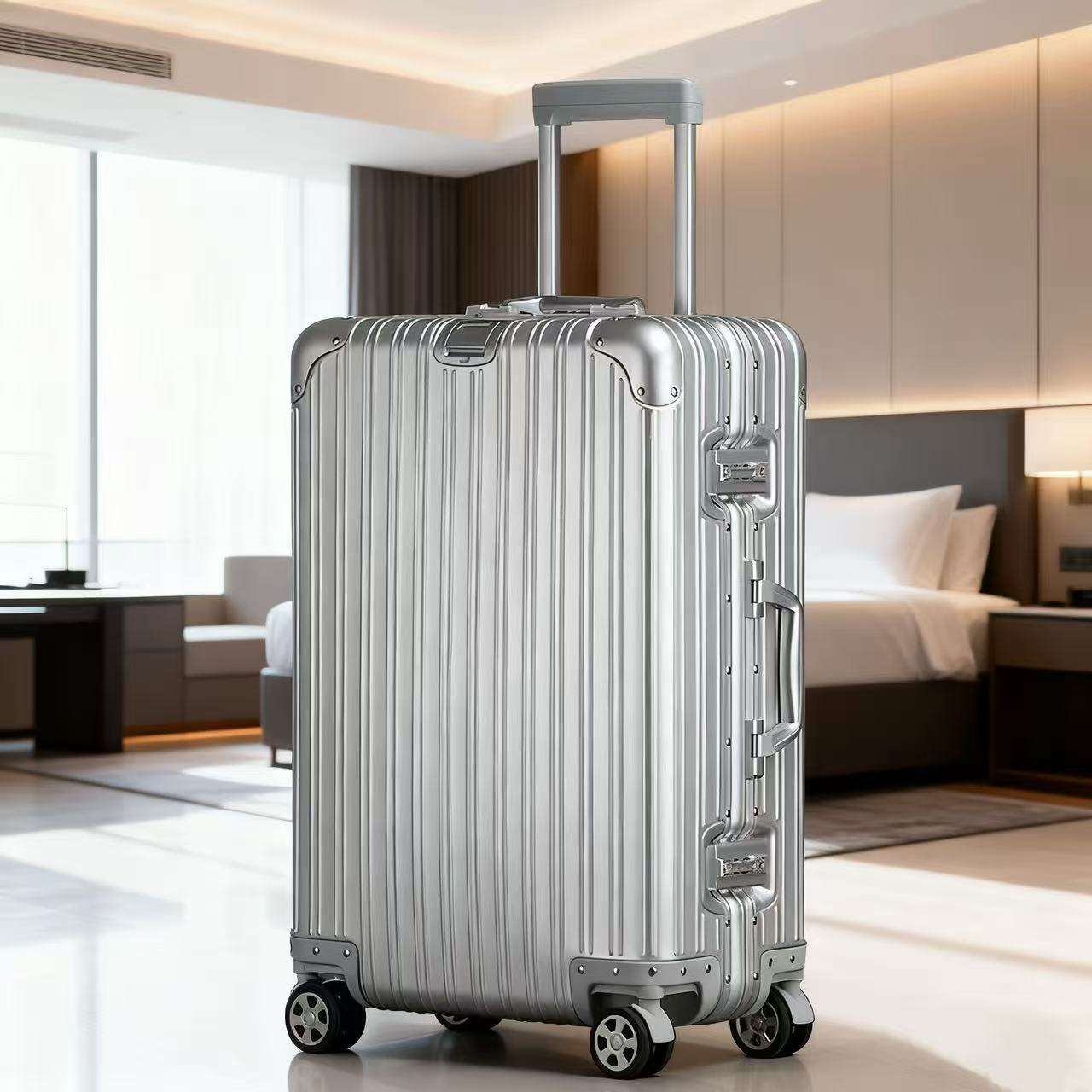
Valises Durability: Materials, Construction, and Real-World Longevity
Hardshell vs. Softside Valises: Impact Resistance, Flexibility, and Travel-Tested Resilience
When packing for a trip, most people end up wondering whether to grab that hardshell suitcase or go with something softer on the side. Each type has its own strengths when it comes to standing up against rough handling. Those hard plastic cases made from polycarbonate really do hold their own when dropped from heights around four feet which happens all too often at airports where bags tumble off conveyors and carousel belts. On the flip side, nylon softside luggage bends without breaking, making them much easier to squeeze into cramped overhead compartments. Plus, the woven material tends to handle scuffing better as they get tossed around on fast moving airport transport systems.
| Feature | Hardshell Advantage | Softside Advantage |
|---|---|---|
| Impact Handling | Rigid shell disperses force | Flexible panels absorb shock |
| Weather Defense | Water-resistant seam sealing | Treated fabrics shed rain |
| Long-Term Wear | Scratch-resistant surfaces | Repairable fabric panels |
Hardshell cases hold up pretty well even when dropped multiple times or tossed around roughly, which makes them great for protecting fragile electronics and other sensitive equipment. Softside luggage tends to handle compression better in crowded airplane cargo areas, plus they usually open up wider at the top for easier packing and unpacking. Most business people flying abroad tend to go with hardshells because they want maximum protection. But backpackers and outdoor enthusiasts generally prefer softside bags since they compress down smaller and work better across different types of terrain without getting damaged.
Frame Integrity, Shell Thickness, and Warranty Terms as Reliable Durability Indicators
What really matters when it comes to how well a suitcase holds up over time isn't so much what it looks like on the outside, but rather what's built inside. Soft sided bags with aluminum frames around their edges won't buckle when stacked high in luggage compartments. For those fancy hard shell cases, manufacturers often add ribs inside the polycarbonate shell which makes them much sturdier against twisting forces. The actual thickness of the shell makes all the difference for protection during travel bumps. High end hard shells typically have layers that are between 3 to 5 millimeters thick, while cheaper alternatives usually come with just 1 or 2 mm walls that tend to crack easily when subjected to rough handling at airports.
The length of a warranty is basically a good indicator of how durable something might be. Most trustworthy companies stand behind their products with warranties lasting between 5 to 10 years, usually including coverage for problems with materials, broken zippers, faulty wheels, or issues with telescoping handles. When manufacturers offer these longer warranty periods, it generally means they've put extra effort into strengthening key areas such as corner bumpers that are molded in place, seams that have been stitched three times for reinforcement, and wheel compartments that have gone through rigorous testing. Labs have actually tested suitcases with 10 year warranties and found they can handle over 200 simulated weight tests without breaking down. So when shopping around, looking at both what the warranty covers and how long it lasts gives shoppers one of the best real world clues about whether a piece of luggage will hold up over time.
Valises Maneuverability: Wheels, Handle Systems, and Effortless Airport Navigation
4-Wheel Spinners vs. 2-Wheel Inline: Stability, Turning Efficiency, and Surface Adaptability
Spinner wheels on luggage really make a difference when it comes to turning around completely in any direction. Travelers find it much easier to maneuver through busy airport terminals, tight jet bridge corridors, and packed airplane aisles without struggling. These bags are gentler on shoulders and wrists since people can steer them just by touching the handle lightly. On the flip side, traditional two-wheel suitcases tend to stay steadier on rough ground like cobblestone streets, gravel paths, or runways with cracks because they sit lower to the ground and have better grip. But let's face it, those old school wheels demand constant pushing and pulling that gets tiring after walking through multiple security checkpoints or waiting out delays at gates. Frequent business travelers who zip between international airports usually prefer spinners for how agile they are. Meanwhile backpackers heading off trail or into remote areas might stick with the older style wheels for their toughness and ability to carry heavier loads over tough terrain.
Wheel Material (Polyurethane vs. Rubber) and Bearing Quality: The Unseen Drivers of Smooth Rolling Lifespan
The materials used for wheels along with how bearings are engineered really affect how well something rolls and how long it lasts. Polyurethane wheels tend to roll pretty quiet on smooth floors such as those found in airports, but they get stiff or develop tiny cracks when exposed to cold weather for extended periods. Rubber wheels handle bumps better on rough ground, though they weigh more and create more resistance while moving. The real difference comes down to bearings over time. Sealed ball bearings keep rotating smoothly without wobbling for around 8 to 10 years even if they're constantly exposed to dust, humidity, or salty air. Basic bushings don't last nearly as long though, usually showing signs of wear after just 2 or 3 years which leads to uneven tire wear and makes steering feel unstable. The best suitcases out there typically feature polyurethane wheels paired with high quality ball bearings that have been precisely ground and resist corrosion, allowing them to move reliably through tens of thousands of miles worth of travel.
Valises Size, Capacity, and Airline Compliance: Packing Smart Without Paying Extra
Matching Valises Volume to Trip Type: From 35L Carry-Ons to 105L Checked Luggage by Duration & Itinerary
Picking the correct suitcase size can save travelers money on overpacked bags, avoid those annoying gate check fees, and make packing so much easier. A small 35 to 45 liter carry-on works great for short weekend trips, holding just enough clothes and toiletries without getting too bulky. Business folks heading away for a week usually need something bigger, around 60 to 75 liters, which gives space for proper work attire, shoes, and all those gadgets we carry nowadays. Families planning longer stays or big vacations should go for the larger 90 to 105 liter suitcases. These bigger bags have multiple sections inside that help spread out the weight properly and make unpacking at the hotel less frustrating. For people going on adventures where they might need ski gear or hiking boots, a tough hard shell suitcase with expandable zippers and some kind of compression system inside is really worth considering. Think about these rough guidelines when choosing what to pack with based on where and how long someone plans to travel.
- Business/urban travel: 45–60L (carry-on compliant)
- Leisure (7–10 days): 75–90L (checked, airline-friendly)
- Outdoor/seasonal travel: 90L+ with compression and weather-resistant features
Cabin-Sized Valises Across Major Airlines: Dimension Limits, Weight Rules, and Avoiding Gate-Check Fees
The rules about what counts as a carry-on bag differ from airline to airline, and getting it wrong can lead to extra fees and all sorts of headaches during travel. For US flights, most major airlines stick pretty close to the same size rule: around 22 inches long by 14 wide and 9 high when measured from wheel to top handle. But over in Europe, bags tend to be just a bit smaller, typically measuring about 21.6 inches long, 15.7 across, and only 7.8 tall. Budget airlines are even stricter when it comes to weight limits, usually capping bags at between 15 and 18 pounds while traditional carriers generally allow up to 22 pounds. Travelers should always double check these numbers before packing, because nothing ruins a vacation quite like being forced to check a bag last minute at the gate.
- Verify your airline’s exact size and weight rules at least 72 hours pre-flight
- Use retractable handles to maximize under-seat clearance
- Choose softside valises with up to 0.5" of compressibility margin
- Shift heavy items (laptops, toiletries, jackets) to personal bags if approaching weight limits
Overpacked or oversized valises risk $150+ gate-check fees, delayed boarding, and lost transit time. Always measure your luggage with wheels and handles fully extended—airlines include both in official assessments.
Valises Value Assessment: What $150, $300, and $600 Actually Deliver in Performance and Features
The Mid-Tier Sweet Spot ($300): Where Premium Zippers, Dual-Stage Telescopic Handles, and TSA Locks Become Standard
For serious travelers looking to get their money's worth, the $300 range seems to hit just the right spot between lasting power, useful features, and overall value over time. Bags at this level come with several important upgrades that cheaper models skip entirely. They usually have those YKK zippers that don't rust or jam up during trips. The handles tend to be better too, with two stages of extension so people can adjust them properly without worrying about the lock failing. And there are TSA approved locks built right in, which means no cutting through the bag when going through security checks at airports around the world. Sure, bags costing $600 and above might look fancier with carbon fiber parts or brand names slapped all over them, but most of these extra dollars don't actually translate into better performance when traveling. Tests from various industries indicate that suitcases in the middle price bracket can handle about 2 to 3 times as many trips as the $150 ones before showing wear. These mid priced bags match what expensive luggage offers in terms of how well the wheels stay intact, how strong the outer shell is, and how solid the seams hold together. This makes them a smarter buy for anyone wanting to avoid dealing with damaged baggage claims, replacing suitcases too soon, or constantly upgrading gear.
FAQ
What is the main difference between hardshell and softside valises?
While hardshell valises offer superior impact resistance and are great for protecting fragile items, softside valises provide more flexibility and are easier to fit in small spaces like overhead compartments.
How important is warranty when selecting luggage?
Warranties are crucial as they give an indication of the brand's confidence in their product. A longer warranty generally means more durable luggage, often covering issues such as faulty zippers or wheels.
What's the best wheel type for maneuverability?
For ease of navigation in airports, four-wheel spinners are preferred due to their ability to rotate in all directions. For rougher terrain, two-wheel inline suitcases provide better stability.
How does suitcase size impact airline compliance?
Different airlines have varying size and weight limits, especially for carry-ons. Adhering to these limits helps avoid extra fees and complications during boarding.
Table of Contents
- Valises Durability: Materials, Construction, and Real-World Longevity
- Valises Maneuverability: Wheels, Handle Systems, and Effortless Airport Navigation
- Valises Size, Capacity, and Airline Compliance: Packing Smart Without Paying Extra
- Valises Value Assessment: What $150, $300, and $600 Actually Deliver in Performance and Features
- FAQ