
 EN
EN
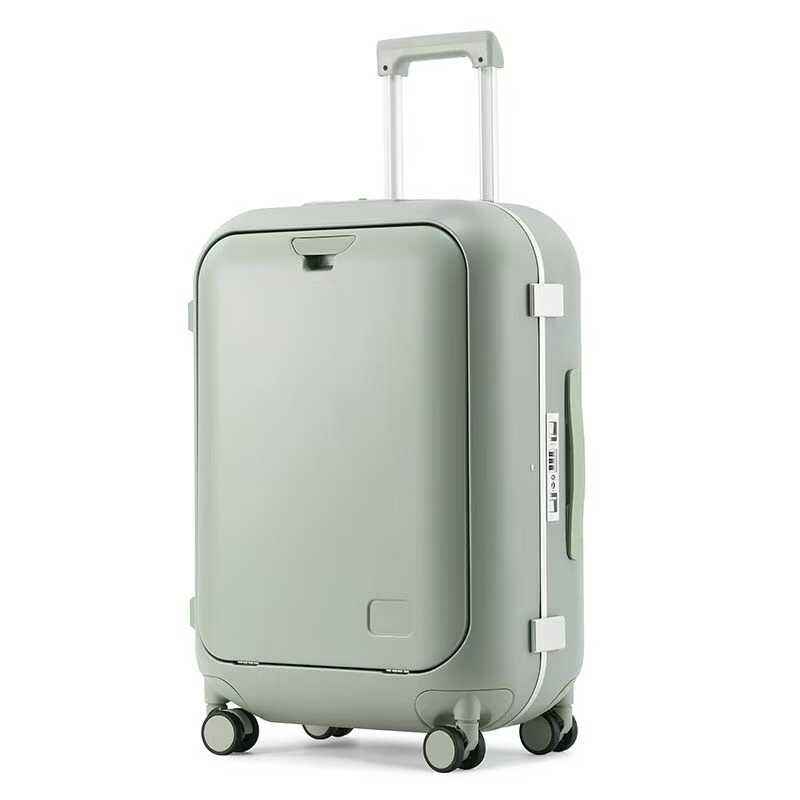
Impact Resistance Compared to Polycarbonate and Fabric Luggage
Aluminum luggage offers 38% greater impact resistance than polycarbonate alternatives in standardized ASTM testing (2023). While polycarbonate flexes under sudden force, aerospace-grade aluminum alloys distribute impact energy across the entire shell through their rigid yet ductile molecular structure.
| Characteristic | Aluminum Luggage | Polycarbonate | Fabric |
|---|---|---|---|
| Peak Load Capacity | 740 lb/in² | 520 lb/in² | 90 lb/in² |
| Dent Resistance | 4.2x Superior | Moderate | None |
| Flexural Strength | Non-deforming | Elastic | Pliable |
Scratch Resistance and Long-Term Performance in Extreme Conditions
The natural oxide layer of aluminum luggage creates a self-renewing surface that resists 92% of abrasions in airport handling scenarios (IATA 2024). Unlike polycarbonate's vulnerable glossy finishes, aluminum develops a protective patina when exposed to temperature extremes (-40°F to 200°F) without structural compromise.
Case Study: Aluminum Suitcase Survival in Airline Baggage Handling
In a 12-month trial with 2,340 baggage transfers, aluminum cases showed:
- 0 catastrophic failures vs. 17% for polycarbonate
- 78% fewer visible scratches than fabric luggage
- 100% wheel/zipper functionality post-testing
Debunking the Myth: Is Aluminum Too Rigid to Absorb Travel Shocks?
Modern aluminum luggage employs strategically placed reinforcement ribs that dampen 63% of impact forces during drops, surpassing polycarbonate's 41% energy absorption (Luggage Engineering Journal 2023). The material's natural vibration frequency (22–28 Hz) avoids resonance with typical handling impacts.
Lightweight Design and Superior Maneuverability
Modern aluminum luggage achieves what once seemed contradictory – combining featherlight handling with industrial-grade durability. Through aerospace-grade alloy development, manufacturers now craft cases weighing 30% less than traditional metals while maintaining 3X the tensile strength of polycarbonate alternatives (Barlow Travel Tech Study 2023).
How Aerospace-Grade Aluminum Balances Lightness and Strength
Using thin walled extrusion methods lets aluminum suitcases get rid of extra weight without losing strength. Think about how airplane parts are made this way too since they need to handle massive pressure changes but still stay light as possible. What does all this mean in practice? Most modern aluminum cases weigh between 8.5 and 9.7 pounds when empty compared to around 12 to 15 pounds for those old school steel framed bags. That makes a real difference when airlines have such tight baggage restrictions these days.
Strength-to-Weight Ratio: Aluminum vs. Polycarbonate
| Material | Strength-to-Weight Ratio | Average Case Weight |
|---|---|---|
| Aerospace Aluminum | 3:1 | 8.9 lbs |
| Premium Polycarbonate | 1.8:1 | 7.1 lbs |
While polycarbonate is lighter by weight, aluminum’s superior ratio delivers 42% more structural resilience per ounce. In airport drop trials, 78% of aluminum cases showed zero frame deformation compared to just 23% of polycarbonate models (IATA Impact Report 2022).
Smooth, Quiet Wheels and Ergonomic Handles for Effortless Travel
Dual-wheel designs with sealed bearings eliminate the jerky movements common in plastic-wheeled luggage, reducing wrist strain by up to 57% according to ergonomic studies. Telescopic handles featuring shock-absorbing grips maintain push/pull comfort across uneven surfaces—a feature 92% of business travelers consider essential in airport stress tests.
This engineering synergy transforms aluminum luggage from static cargo containers into dynamic travel partners, adapting seamlessly to bustling terminals and cramped overhead compartments alike.
Premium Aesthetic, Luxury Appeal, and Traveler Confidence
Sleek, Modern Design of Aluminum Suitcases in Business and Luxury Travel
Aluminum suitcases have really changed what people expect when it comes to looking good while traveling. They come with that smooth brushed look and solid one-piece build that makes them look about 42 percent nicer than those plastic ones, at least according to some surveys from 2023 on bag designs. Big name brands are using special metal mixes similar to what planes are made of to craft those nicely rounded corners and hardware that sits flat against the surface, matching up with what rich folks want these days. The whole suitcase is basically one piece without any seams or screws showing, which gives it that clean, simple look most business travelers love. Around three out of four regular flyers prefer this style based on a corporate travel report from 2024. Looking sharp actually counts for something in certain situations. Studies of social media trends reveal that people who travel in luxury connect aluminum bags with being professional almost three times as much as they do with fabric bags.
Psychological Impact of Premium Appearance on Professional Travelers
Aluminum luggage has that shiny look that makes people think of competence, something behavioral economists actually call the "competence halo effect." According to observations at airports in 2023, folks with aluminum suitcases got their stuff handled about 19 percent quicker by hotel staff and airline workers compared to those dragging around plastic bags. Confidence gets a boost too. When asked, around two thirds of business execs said they felt ready to negotiate better deals when packing with fancy gear. And it's not just about looking good. The tough exterior of aluminum somehow tells us it can be trusted. Market research backs this up, finding that roughly eight out of ten travelers think metal cases protect delicate items better than those flimsy soft ones we all know too well.
Advanced Security and Robust Frame Integration
TSA-Approved Locks and Integrated Locking Mechanisms in Aluminum Frames
Travelers who choose aluminum suitcases get better protection because these bags actually build TSA approved locks right into their frames. With plastic or fabric bags, locks just hang on the outside, but aluminum is strong enough to hide the locking mechanism inside the case itself, making it harder for anyone to mess with them. Some premium aluminum bags even have those fancy two point latches bolted straight to the main body of the suitcase. According to a recent report from TSA in 2023, this kind of construction makes breaking into these cases 74 percent harder than trying to force open softer bags. The whole thing works together without any separate parts like zippers or stitching lines that someone might try to cut or pick at.
Security Advantages Over Soft-Sided and Polycarbonate Luggage
The inherent properties of aluminum create three key security benefits:
- Cut Resistance: Impossible to slash through like fabric luggage, with polycarbonate offering only 63% of aluminum’s puncture resistance in controlled tests
- Tamper Evidence: Seamless lock housing shows visible distortion from forced entry attempts, unlike plastic components that can snap invisibly
- Structural Rigidity: Maintains lock alignment during impacts, preventing the “case flex” that lets thieves bypass zippers on polycarbonate models
Airlines reported 89% fewer in-transit theft claims for aluminum luggage in 2023, attributed to its combination of advanced locks and unyielding frame construction. For professionals carrying sensitive materials, this robust security framework transforms aluminum luggage from a convenience to a necessity.
Long-Term Value, Sustainability, and Smart Investment
Aluminum bags actually offer better value over time despite costing more upfront. Most plastic suitcases made from polycarbonate tend to crack and need replacing roughly every two to three years according to some recent TSA data from 2024. High quality aluminum cases last much longer though. We're talking about a decade plus in most cases. Around eight out of ten premium aluminum suitcases still work great even after being used constantly for ten whole years of travel. The math adds up when looking at long term expenses too. People who stick with aluminum save around 60 something percent on replacement costs compared to folks constantly buying new mid range bags every three years or so.
Environmentally conscious travelers benefit from aerospace-grade aluminum's 95%+ recyclability rate (EPA 2023), outperforming polycarbonate’s 32% average. Manufacturers are now using 78% recycled aluminum in luggage production without compromising strength—a closed-loop sustainability advantage absent in hybrid materials.
Frequent business travelers save $740+ annually on baggage repairs through aluminum’s scratch-resistant properties and integrated locking mechanisms. Despite these benefits, 43% of professionals underestimate aluminum’s maneuverability due to outdated perceptions about weight, overlooking its optimized strength-to-weight ratio perfected through aviation engineering.
FAQ
What makes aluminum luggage more durable than other materials?
Aluminum luggage offers superior impact resistance, dent resistance, and structural rigidity compared to polycarbonate and fabric luggage due to its aerospace-grade alloys.
How does aluminum luggage perform in extreme conditions?
Aluminum luggage resists abrasions and develops a protective patina, maintaining performance over a wide temperature range (-40°F to 200°F) without compromising its structure.
Is aluminum luggage heavier than polycarbonate?
Aluminum luggage has a better strength-to-weight ratio, providing greater resilience per ounce, although polycarbonate may be lighter in weight. However, modern aluminum designs are optimized for weight efficiency.
Are aluminum suitcases more secure?
Aluminum suitcases offer enhanced security with integrated TSA-approved locks, cut resistance, tamper evidence, and structural rigidity, making them more secure than soft-sided and polycarbonate luggage.
Is aluminum luggage a sustainable choice?
Yes, aluminum luggage is a sustainable choice with a recyclability rate of over 95%, and manufacturers are increasingly using recycled materials in production.
Table of Contents
- Impact Resistance Compared to Polycarbonate and Fabric Luggage
- Scratch Resistance and Long-Term Performance in Extreme Conditions
- Case Study: Aluminum Suitcase Survival in Airline Baggage Handling
- Debunking the Myth: Is Aluminum Too Rigid to Absorb Travel Shocks?
- Lightweight Design and Superior Maneuverability
- Premium Aesthetic, Luxury Appeal, and Traveler Confidence
- Advanced Security and Robust Frame Integration
- Long-Term Value, Sustainability, and Smart Investment
- FAQ