 EN
EN
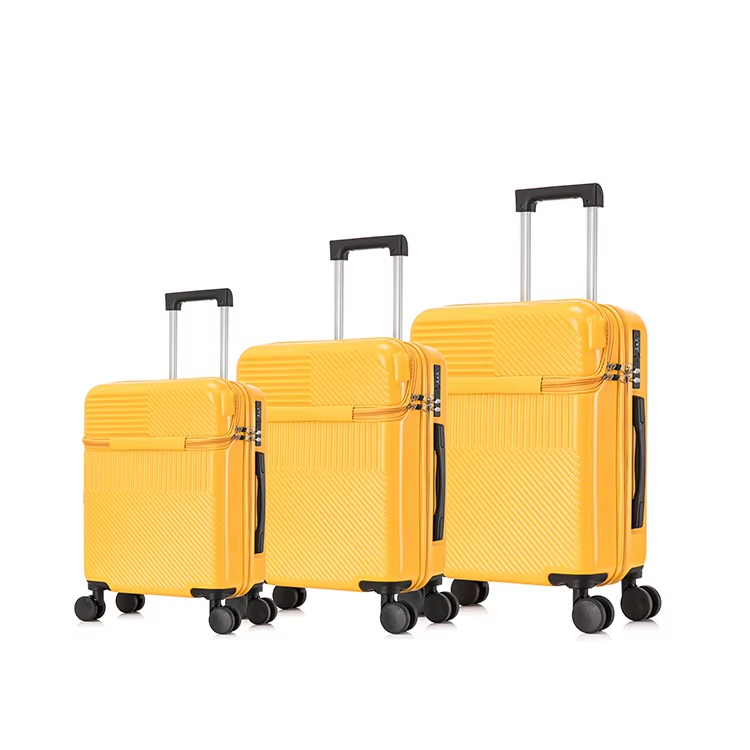
התאמת סוג המזוודה לפרופיל הנסיעה ולדרישות חברת התעופה
מזוודה ידנית לעומת מזוודה מוברחת לעומת מזוודה היברידית: בחירה בהתאם למשך הנסיעה, ליעד ולאופן התחבורה
בחירת המזוודה הנכונה נובעת בעיקר מההתאמה בין הצרכים שלנו לבין היעד אליו אנו נוסעים. לטיולים קצרים? מזוודה קטנה שמתאימה למגבלות הגודל של חברות התעופה — בערך 56 על 36 ס"מ — היא האופציה הטובה ביותר. זה חוסך זמן בשער ומאפשר לשמור על כל הפריטים יחדיו, בלי להמתין למזוודות לאחר הנחיתה. לשהות ממושכת יותר, של כשבוע, רוב האנשים בוחרים במזוודה בינונית בגודל שבין 61 ל-71 ס"מ. מזוודות אלו מכילות מספיק בגדים ופריטים חיוניים, מבלי להיות מסולקנות מדי. בעת תכנון מסע עם עצירות מרובות או הרפתקאות ממושכות יותר, המטיילים לרוב מעדיפים פריטי מזוודות רב-תכליתיות שיכולים לשנות את תפקידם. מזוודות גב עם גלגלים ומזוודות גלגלים המורכבות כתרמילים הופכות למשהו קריטי כשעוברים בין אמצעי תחבורה שונים. גם הקרקע עצמה משפיעה. ערים הן סביבה מתאימה למזוודות קלות עם גלגלים חלקים שמסתובבים בקלות. אך אם יוצאים מהנתיב או נכנסים לאזורים קשים יותר, עמידות הופכת לגורם החשוב ביותר. יש לחפש מזוודות עמידות יותר עם פינות מחוזקות וגלגלים שתוכננו להתמודד עם כל סוגי המשטחים.
| משך המסע | סוג המזוודות המומלץ | היקרים להתחשב בהם |
|---|---|---|
| 1–3 ימים | מזוודה לתחנה | חייבת לעמוד בממדים המותרים לתא האחסון מעל הכסאות של חברת התעופה |
| 4–7 ימים | מזוודה בודקת בינונית | התפלגות מאוזנת של המשקל ובנייה עמידה להשפעות חיצוניות |
| 7 ימים ומעלה | מזוודה בודחת גדולה או היברידית | מעוצבת לשימוש במספר אמצעי תחבורה ולבידול ארוך טווח |
כללי המזוודות הספציפיים לחברות התעופה: ניווט בממדים, משקל ומדיניות התעריפי בין חברות התעופה העיקריות
כללי המטען של חברות התעופה נוטים להיות קשיחים למדי ולא פתוחים למשא ומתן. ההבדלים בין חברות התעופה יכולים גם להשתנות מאוד. חברות תעופה זולות מגבילות בדרך כלל את המטען הנשא לא יותר מ-40 אינץ' ליניארי (סכום האורך, הרוחב והגובה), ודורשות תשלום עבור כל שקית שנשלחת כמטען רשום. חברות תעופה מלאות עשויות לאפשר לנוסעים לרשום שקית אחת ללא תשלום במערכת הפנים, בתנאי שהיא לא תעלה על 50 פאונד. הדברים הופכים מסובכים יותר בנסיעות בינלאומיות, שבהן הגבלות המשקל יורדות מ-70 פאונד במדינה ל-50 פאונד בחו"ל. אל תופתעו אם המידות האלה יתכווצו עוד יותר במטוסים קטנים יותר. רבים מהנוסעים מסיימים לשלם עמלות בלתי צפויות בגלל ששקיותיהם לא נמדדו כראוי או פשוט היו כבדות מדי. תמיד בדקו שוב מה מותר לחברת התעופה שלכם בימים אלה לפני שתתחילו לחבוש, ושקלו אולי לרכוש מאזניים ניידים לקביעת המשקל מראש. אם מישהו זקוק לעזרה נוספת בהבנת הכללים האלה, האתר של משרד התחבורה של ארצות הברית מכיל מידע די טוב על מגוון כללי המטען.
הערכת תכונות ביצוע עיקריות של המזוודות
תפקוד המזוודות שלכם משפיע ישירות על יעילות הנסיעה, הנוחות והאורך של תקופת השימוש. התמקדות בניידות, בשלמות החומר ובעמידות למשימות בעולם האמיתי מבטיחה תפקוד אמין במרחבים כגון שדות תעופה, תחנות רכבת, רחובות מרוצפים באבני גלגל, וראשי שבילים.
גלגלים וניידות: גלגלים מסתובבים (Spinner) לעומת גלגלים קוויים (Inline), איכות השעונים ויכולת הניווט על כל סוגי הקרקע
תיקי ספינר עם ארבעה גלגלים נהדרים לנסיעה מהירה בטרמינלים עמוסים בשדות תעופה שבהם שטח הפנייה מצומצם, למרות שהם נוטים לרעוד על קרקע משובשת כמו מדרכות סדוקות או שבילי חצץ. אפשרויות מוטבעות עם שני גלגלים מספקות איזון טוב יותר בעת מעבר על פני מקומות משובשים כמו רחובות מרוצפים או קצוות מדרכה, אך נוסעים צריכים להישען קדימה לא מעט בזמן הנעתם. גם האיכות חשובה - מיסבים יוקרתיים מפחיתים את ההתנגדות לרצפה בכ-40 אחוז בהשוואה לגרסאות זולות יותר, מה שאומר שגלגלים אלה מחזיקים מעמד הרבה יותר זמן לפני שיהיה צורך להחליף אותם. אם מישהו רוצה שהמזוודה שלו תעמוד כמעט בכל תנאי משטח, חפש גלגלי פוליאוריטן ברוחב של לפחות שלושה אינץ'. חומרים קשיחים אלה עמידים בפני בלאי בערך פי שניים וחצי יותר מאשר גלגלים מפלסטיק רגיל, על פי בדיקות. מעניין לציין, גלגלים שבורים עדיין בראש רשימת הבעיות הגורמות לתקלות בתיק במהלך נסיעות ממושכות עם עצירות ביניים מרובות. מועצת מוצרי הנסיעות דיווחה בשנת 2023 שכמעט שליש מכלל התלונות של נוסעים תכופים כללו בעיה כלשהי בגלגל.
הפרות בין עמידות החומר למשקלו: פוליקרבונט, ABS, ניילון בוליסטי ובדים היברידיים
חומרי המזוודות מציגים הפרות מובהקות בין משקל, עמידות ועלות:
| חומר | פרופיל משקל | עמידות בפני התנגשויות | הכי מתאים עבור |
|---|---|---|---|
| פוליקרבונט | קליל במיוחד | גבוה (מתעקל בעת הפגיעה) | נוסעים תכופים שמעדיפים חיסכון במשקל |
| פלסטיק ABS | לְמַתֵן | בינוני (נוטה לסתירה) | נוסעים שמתמקדים במחיר עבור טיסות קצרות |
| ניילון בליסטי | כבד | אקסטרימלי (עמיד לקריעות ולבלאי) | נסיעות הרפתקה, מסעות על אדמה לא מתוכננת או מחוץ לרשת החשמל |
| קומפוזיטיםهجניים | קל-בינוני | גבוה (חוזק רב-שכבתי) | שימוש רב-תכליתי — שילוב של תמרון עירוני עם מוכנות לפעילות בחוץ |
פוליקרבונט מבצע עבודה טובה בהרבה בבליעה של פגיעות בהשוואה לפלסטיק ABS, למרות שהוא נוטה להראות את השריטות הדקיקות המטריחות בקלות רבה. ניילון בליסטי בדרגה 1000D או גבוהה יותר יכול לעמוד בפני קריעות כשלוש פעמים יותר זמן מאשר אפשרויות בד חיבור רגילות, למרות שהוא מוסיף כ־30% משקל נוסף לתיק. שילוב של חומרים גם הוא יעיל מאוד: יצרנים רבים יוצרים כיום עיצובים היברידיים הכוללים מסגרות מפוליקרבונט בשילוב אזורים מניילון בליסטי, מה שנותן למסיעים הגנה נוספת תוך שמירה על ניידות סבירה. גם המספרים חשובים: תיקים קלים יותר משמעותם חיסכון ממשי לאורך זמן. עבור אדם הטס לעיתים תכופות, הפחתת משקל של רק 0.9 קילוגרם (שני פאונדים) מתיק הנוסעים יכולה לחסוך כ־50 דולר מדי שנה רק בגביית דמי מטען, לפי הערכות התעשייה.
העניקו עדיפות לארגון חכם, אבטחה וניידות מוכנת לנסיעות
עיצוב פנים שמקסם את יעילות האריזה: מערכות דחיסה, תאים מודולריים ומערכות גישה
עיצובי המזוודות של היום הפכו את תהליך האריזה מבלגן למשהו כמעט מדעי. תכונות דחיסה כמו פאנלים עם רוכסנים, רצועות מתכווננות או אפילו לוחות דחיסה מובנים יכולים לצמצם את השטח הנדרש בקרוב ל-30 אחוז. זה עוזר לשמור על המזוודות מתחת למספר הקילוגרמים המרבי שמאפשרת חברת התעופה ולמנוע את התוספות היקרות על משקל עודף שאיש לא רוצה לשלם. המזוודות הטובות ביותר מגיעות עם מחיצות מודולריות שעובדות מצוין עם קופסאות האריזה שרוב האנשים כבר בעלותן. הן מאפשרות למי שמסיע לסדר את הפריטים לפי סוג: נעליים כאן, פריטי טיפוח שם, ציוד אלקטרוני במקום אחר — מה שמקל על התאמות כשיש שינויים בתוכנית ברגע האחרון. גישה קדמית היא גם שינוי מהפכני. מזוודות עם פתיחת קלם-шел (Clamshell) וכיסות נוחות למחשב נייד אופשרות לנוסעים שלא להזדקק לחפש דרך כל הפריטים רק כדי לקחת את מה שצריך בנקודות הביקורת במערכת הביטחון או כשנושרים לרוץ לכניסה למטוס. מחקרים מראים שאורגанизציה טובה חוסכת כ-15 דקות בכל עצירה באווירודרומ, מה שמצטבר במהירות בעונות הנסיעות העמוסות.
תכונות אבטחה מהימנות: נעליות מאושרות על ידי ה-TSA, רוכסים נגד גניבה, הגנה על טכנולוגיית RFID ואפשרויות מזוודות עם GPS
ציוד נסיעות מודרני מגיע עם תכונות אבטחה שמאפשרות הגנה גם נגד ידים חוצפניות וגם נגד סיכונים סייבר. הנעלים שאושרו על ידי ה-TSA הם באמת שימושיים כשכוחות הבטחון בשדה התעופה צריכים לבדוק את תוכן המזוודות בלי לפגוע בהן. חישבו על זה כך: אף אחד לא רוצה שהמזוודה שלו תיחתך פשוט כדי שמישהו יוכל להציץ פנימה. רוכסי מניעת גניבה עובדים גם כן די טוב, במיוחד אלו בעלי עיצוב שיניים מיוחד ומנגנוני נעילה שאינם ברורים לעין. אלה עוצרים אנשים שמתכוונים לגנוב פריטים בזמן הליכה בתחנות רכבת או שדות תעופה עמוסים. השכבה הפנימית המונעת קריאת RFID היא עוד תוספת חכמה למסיעים שמעבירים כרטיסי אשראי ודרכונים. גנבים אלחוטיים נתפסו כבר ביצירת מערכות כאלה בערים גדולות ברחבי העולם, ולכן שווה ליהנות מהגנה זו. חלק מהמזוודות כוללות כיום מערכות מעקב GPS המחוברות לטלפונים באמצעות בלוטות' או רשתות סלולריות. מבחנים שוטפים הראו שמערכות אלו הקטינו את מספר המקרים של מזוודות אבודות כמעט בשני שלישים. עם זאת, לפני קניית מזוודות טכנולוגיות מתקדמות, על המסיעים לבדוק פעמיים אם הנעל עומדת בדרישות ה-TSA, כמו דגם 007 או דומה לו. גם בדיקת יעילות השכבה המונעת קריאת RFID באמצעות כרטיס תשלום ללא מגע רגיל היא רעיון טוב. ואל תשכחו לבדוק כמה זמן יחזיק הסוללה של מערכת ה-GPS בטעינה אחת, במיוחד בעת נסיעות לחו"ל, שם אותות הסלולר עלולים להיות חלשים מדי.
שאלות נפוצות
אילו גורמים יש לקחת בחשבון בבחירת מזוודות לנסיעה קצרה?
לסיורים קצרים, שקולו להשתמש במזוודה לשימוש ידני שמתאימה למגבלות הגודל של חברת התעופה. זה חוסך זמן בשער ומאפשר לשמור את הפריטים שלכם יחד.
איך חוקי המזוודות הספציפיים לחברת התעופה משפיעים על בחירת המזוודות?
חוקי המזוודות של חברות התעופה משתנים; חברות תעופה זולות לעתים קרובות מציבות מגבלות מחמירות יותר ותשלומים נוספים. חשוב לדעת את חוקי חברת התעופה שלכם כדי להימנע מתשלומים לא צפויים.
מה ההבדלים בין גלגלים מסתובבים (spinner) לגלגלים מקבילים (inline)?
גלגלים מסתובבים מספקים תמרון טוב יותר במרחבים צרים, בעוד שגלגלים בשורה מספקים יציבות רבה יותר על מדרכות לא חלקות.
באילו חומרים יש לחפש במזוודות עמידות?
שקלו פוליקרבונט בשל עמידותו במכות, ABS אפשרויות בתקציב נמוך יותר, או ניילון בליסטי לעמידות. שילובים (hybrids) מציעים איזון של תכונות.