
 EN
EN
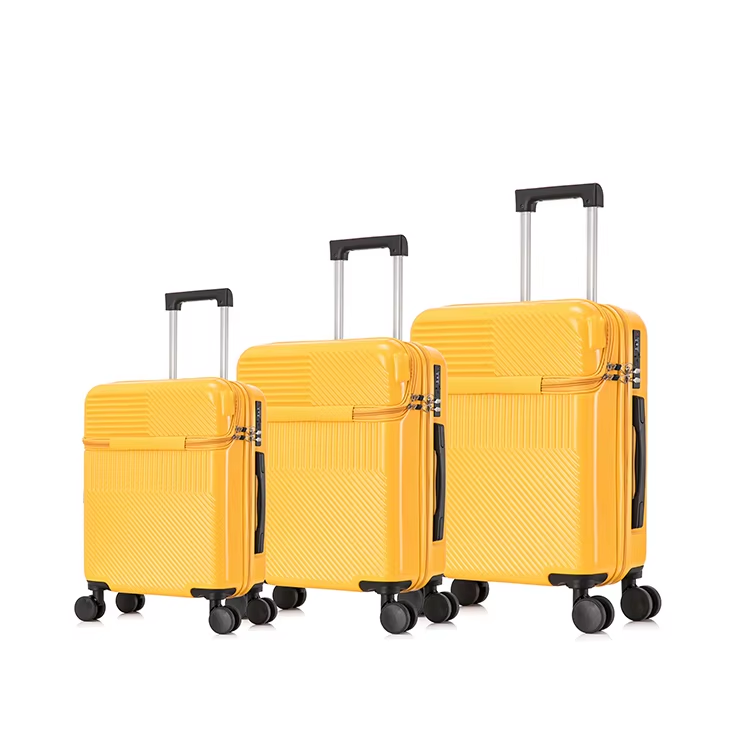
ความทนทานและประสิทธิภาพในการทนต่อแรงกระแทกของกระเป๋าเดินทางอลูมิเนียมที่ไม่มีใครเทียบได้
เมื่อพูดถึงสภาวะการเดินทางที่ยากลำบาก กระเป๋าเดินทางทำจากอลูมิเนียมแท้ๆ นั้นโดดเด่นอย่างชัดเจนในเรื่องความทนทานที่ยังคงสมบูรณ์อยู่ได้นานเท่าเวลา วัสดุอลูมิเนียมเกรดพิเศษสำหรับอวกาศ เช่น โลหะผสม 6061-T6 สามารถสร้างชั้นออกไซด์ป้องกันขึ้นเองตามธรรมชาติ ซึ่งช่วยต้านทานสนิม ความเสียหายจากน้ำ และรอยขีดข่วน นั่นหมายความว่ากระเป๋าเดินทางยังคงรักษาความแข็งแรงเชิงโครงสร้างไว้ได้แม้หลังจากถูกลากผ่านสนามบินมาหลายปี ผลการทดสอบอิสระบางชุดยังเผยให้เห็นข้อสังเกตที่น่าสนใจมากเกี่ยวกับกระเป๋าอลูมิเนียมเมื่อเปรียบเทียบกับกระเป๋าโพลีคาร์บอเนต โดยผลการศึกษาเหล่านี้ระบุว่า อลูมิเนียมสามารถทนต่อการจัดการสัมภาระอย่างรุนแรงได้ดีกว่าทางเลือกที่ทำจากพลาสติกประมาณร้อยละ 47 และในการทดสอบตามมาตรฐาน ASTM D880 ซึ่งจำลองสถานการณ์การตกของกระเป๋าเดินทางบนสายพานสนามบิน กระเป๋าที่ทำจากอลูมิเนียมสามารถรักษาทรงและโครงสร้างไว้ได้อย่างสมบูรณ์ใน 92 จากทั้งหมด 100 กรณี เมื่อเปรียบเทียบกับกระเป๋าโพลีคาร์บอเนตซึ่งประสบความสำเร็จเพียงร้อยละ 67 ในเงื่อนไขการทดสอบที่คล้ายคลึงกัน
ข้อดีหลัก ได้แก่:
- ความแข็งแรงในการสะสม : โครงเปลือกแบบโมโนบอดี้ (Unibody) สามารถรองรับน้ำหนักได้มากกว่า 500 ปอนด์โดยไม่บิดเบี้ยว
- การซึมซึมแรงกระแทก การออกแบบโครงสร้างที่แข็งแรงแต่สามารถดูดซับพลังงานได้ ช่วยลดการถ่ายโอนแรงกระแทกภายในให้น้อยที่สุด
- ความต้านทานการ-fatigue บานพับ ตัวล็อก และมือจับแบบเลื่อนได้ยังคงใช้งานได้ตามปกติหลังผ่านการใช้งานมากกว่า 10,000 รอบ
นักธุรกิจที่เดินทางเพื่อทำงานสามารถประหยัดค่าใช้จ่ายได้อย่างมีนัยสำคัญจากการหลีกเลี่ยงการซื้อใหม่: กระเป๋าสัมภาระอะลูมิเนียมราคา 420 ดอลลาร์สหรัฐฯ ที่ใช้งานสัปดาห์ละหนึ่งครั้ง จะมีอายุการใช้งานนานกว่า 15 ปี เมื่อเทียบกับกระเป๋าสัมภาระพอลิคาร์บอเนตที่มีอายุการใช้งานเฉลี่ยเพียง 5–7 ปี (สมาคมสินค้าสำหรับการเดินทาง ปี ค.ศ. 2023) ซึ่งคิดเป็นมูลค่ารวมตลอดอายุการใช้งานมากกว่า 740 ดอลลาร์สหรัฐฯ ความทนทานร่วมกับความปลอดภัยนี้ทำให้กระเป๋าสัมภาระอะลูมิเนียมกลายเป็นสิ่งจำเป็นสำหรับมืออาชีพที่ต้องเดินทางบ่อยครั้ง
ความสวยงามระดับพรีเมียมและเสน่ห์เชิงมืออาชีพของกระเป๋าสัมภาระอะลูมิเนียม
นักธุรกิจที่เดินทางบ่อยรู้ดีว่ากระเป๋าเดินทางทำจากอลูมิเนียมนั้นดูดีกว่าสินค้าอื่นใดในท้องตลาด ผิวสัมผัสแบบขัดเงาหรือผิวด้านให้ความรู้สึกมั่นคงอย่างเรียบง่าย ซึ่งดึงดูดสายตาได้แม้แต่ในสนามบินและโรงแรม โดยไม่จำเป็นต้องพึ่งโลโก้ที่โดดเด่นไปทั่วทุกหนแห่ง กระเป๋าผ้าจะสึกกร่อนอย่างรวดเร็ว กลายเป็นหมองคล้ำและเปลี่ยนสีหลังใช้งานเพียงไม่กี่ครั้ง ส่วนกระเป๋าพลาสติก? ก็แตกร้าวภายใต้แรงกดดัน และดูถูกคุณภาพอย่างเห็นได้ชัดภายในเวลาอันสั้น แต่อลูมิเนียมเล่าอีกเรื่องหนึ่งอย่างสิ้นเชิง กล่าวคือ เมื่อเวลาผ่านไป มันกลับยิ่งเพิ่มบุคลิกภาพผ่านรอยขีดข่วนและรอยบุบเล็กๆ ที่เกิดจากการเดินทางจริงๆ รอยตำหนิเล็กน้อยที่เริ่มต้นขึ้นนั้น กลับกลายเป็นส่วนหนึ่งของบุคลิกภาพกระเป๋า ช่วยเสริมความสง่างามโดยรวมแทนที่จะลดทอนคุณค่าลง
ความนิยมที่คงอยู่ของกระเป๋าเดินทางทำจากอลูมิเนียมสอดคล้องเป็นอย่างดีกับบริบทเชิงวิชาชีพ เมื่อบุคคลหนึ่งเข้าร่วมการประชุมพร้อมถือกระเป๋าอลูมิเนียมที่ดูเรียบหรู ภาพลักษณ์ดังกล่าวจะสื่อถึงความเป็นมืออาชีพและทักษะในการจัดระเบียบของผู้นั้นโดยไม่จำเป็นต้องกล่าวถึงด้วยคำพูดใดๆ เลย กระเป๋าเหล่านี้ช่วยรักษาภาพลักษณ์ทั้งในระดับบุคคลและระดับองค์กรไว้ระหว่างการพบปะทางธุรกิจที่สำคัญทั่วทั้งโลก แบรนด์ระดับพรีเมียมเลือกใช้อลูมิเนียมเป็นพิเศษ เพราะวัสดุนี้ให้สมดุลที่ลงตัวระหว่างการดูมีราคาสูงแต่ยังคงความเรียบง่ายและไม่หวือหวา ผู้คนรับรู้ได้ทันทีว่าคุณภาพที่แท้จริงนั้นเป็นอย่างไรเมื่อเห็นด้วยตา แม้จะไม่มีโลโก้หรูหราใดๆ ปรากฏอยู่ตรงหน้าก็ตาม
ความเงางามตามธรรมชาติของวัสดุยังให้ประโยชน์ใช้สอยในด้านการมองเห็นที่ชัดเจนอีกด้วย คุณจะสามารถระบุกระเป๋าเดินทางของตนเองได้ทันทีบนสายพานลำเลียงสัมภาระ—ซึ่งช่วยลดความล่าช้าและความเครียดหลังการบิน สำหรับผู้โดยสารที่บินบ่อย การผสมผสานระหว่างสไตล์และฟังก์ชันการใช้งานนี้ทำให้กระเป๋าเดินทางเปลี่ยนสถานะจากสิ่งของเพื่อการใช้งานทั่วไปกลายเป็นไอเทมที่สื่อถึงตัวตน และยกระดับทุกการเดินทางเพื่อธุรกิจให้โดดเด่นยิ่งขึ้น
น้ำหนัก ความปลอดภัย และข้อได้เปรียบด้านการใช้งานสำหรับผู้โดยสารที่บินบ่อย
สำหรับผู้บริหารและนักธุรกิจที่ต้องบินบ่อยครั้ง กระเป๋าเดินทางทำจากอลูมิเนียมแท้ๆ นั้นโดดเด่นอย่างแท้จริง วิธีการผลิตกระเป๋าเหล่านี้จากโลหะผสมพิเศษให้คุณสมบัติที่วัสดุอื่นส่วนใหญ่ไม่สามารถเทียบเคียงได้ ทั้งยังปกป้องสิ่งของภายในได้อย่างมีประสิทธิภาพ แต่ก็ไม่ใช้พื้นที่มากเกินไปอีกด้วย เมื่อเปรียบเทียบกับกระเป๋าพลาสติก อลูมิเนียมทนทานกว่ามากเมื่อพนักงานสนามบินโยนหรือจัดการกระเป๋าอย่างไม่ระมัดระวัง นอกจากนี้ น้ำหนักของกระเป๋ายังเบาเพียงพอที่จะอยู่ในเกณฑ์น้ำหนักที่สายการบินกำหนดไว้ทั้งสำหรับกระเป๋าถือขึ้นเครื่องและกระเป๋าโหลดใต้ท้องเครื่อง ซึ่งหมายความว่าผู้ที่เดินทางบ่อยจะไม่ต้องเสียค่าธรรมเนียมเพิ่มเติมที่เคาน์เตอร์เช็กอิน และอย่าลืมเรื่องความปลอดภัยของสิ่งของมีค่าระหว่างการขนส่งด้วย ไม่ว่าจะเป็นอุปกรณ์อิเล็กทรอนิกส์ แบบแปลนผลิตภัณฑ์ หรือแม้แต่เอกสารสำคัญที่ส่งถึงลูกค้า ก็มีโอกาสเสียหายลดลงอย่างเห็นได้ชัดเมื่อจัดเก็บในกระเป๋าอลูมิเนียม อีกประเด็นหนึ่งที่ควรกล่าวถึงคือ ความแข็งแรงของอลูมิเนียมช่วยยืดอายุการใช้งานของซิปให้นานขึ้น ขณะที่กระเป๋าผ้ามักยืดออกเมื่อใส่ของแน่นจนเกินไป ซึ่งในที่สุดจะทำให้ซิปละลายหรือหลุดออกได้ แต่อลูมิเนียมไม่มีแนวโน้มโค้งงอหรือยืดหยุ่นในลักษณะนั้น
การสมดุลระหว่างความแข็งแรงกับความคล่องตัวในกระเป๋าเดินทางอะลูมิเนียม
โครงสร้างอะลูมิเนียมในปัจจุบันให้ความแข็งแรงที่ดีขึ้น ขณะที่น้ำหนักเบากว่าตัวเลือกโลหะรุ่นเก่าประมาณ 15 ถึง 20 เปอร์เซ็นต์ ตามรายงานอุตสาหกรรมเมื่อปีที่ผ่านมา ผู้ใช้งานสามารถบรรจุสิ่งของทั้งหมดไว้ภายในกระเป๋าเหล่านี้ได้อย่างปลอดภัย ไม่ว่าจะเป็นแล็ปท็อป เอกสาร หรือสิ่งของสำคัญอื่นๆ โดยไม่รู้สึกเหมือนกำลังลากก้อนอิฐไปทั่วทุกที่ ระบบล้อสี่ล้อช่วยให้เคลื่อนย้ายผ่านอาคารผู้โดยสารสนามบินที่แออัดได้ง่ายขึ้นอย่างมาก โดยเฉพาะในพื้นที่ที่มีข้อจำกัดด้านพื้นที่ นอกจากนี้ ที่จับแบบฝังที่ทำจากอะลูมิเนียมคุณภาพระดับเครื่องบินยังลดโอกาสที่จะเกี่ยวหรือสะดุดกับสิ่งของอื่นๆ และมีอายุการใช้งานยาวนานขึ้นอีกด้วย ยิ่งไปกว่านั้น แม้จะบรรจุของจนเต็มที่ กระเป๋าสมัยใหม่ส่วนใหญ่ก็สามารถกระจายแรงน้ำหนักได้อย่างสม่ำเสมอ ทำให้ล้อหมุนเรียบลื่นบนพื้นผิวต่างๆ แทนที่จะสั่นหรือเอียงไปมา ซึ่งเป็นสิ่งสำคัญมากเมื่อผู้โดยสารจำเป็นต้องรีบวิ่งเปลี่ยนเที่ยวบินระหว่างการรอต่อเครื่องที่เวลารัดตัวมากเป็นพิเศษ ซึ่งเราทุกคนต่างก็ไม่ชอบเช่นกัน
ระบบล็อก TSA แบบบูรณาการและความแข็งแรงของโครงสร้างช่วยยกระดับความปลอดภัยในการเดินทาง
สำหรับผู้ประกอบการที่ต้องการเก็บรักษาสิ่งของของตนให้ปลอดภัยระหว่างการเดินทาง กล่องอลูมิเนียมถือเป็นตัวเลือกที่โดดเด่นอย่างแท้จริง เนื่องจากถูกออกแบบและผลิตขึ้นโดยคำนึงถึงความปลอดภัยเป็นหลักตั้งแต่ขั้นตอนการออกแบบ รุ่นระดับพรีเมียมมาพร้อมกับระบบล็อกแบบรหัสผสมที่ได้รับการรับรองจาก TSA ซึ่งช่วยให้เจ้าหน้าที่ความมั่นคงของสนามบินสามารถตรวจสอบกระเป๋าได้โดยไม่จำเป็นต้องเปิดหรือทำลายล็อกด้วยวิธีใดๆ อย่างไรก็ตาม สิ่งที่ทำให้กล่องเหล่านี้พิเศษยิ่งกว่าคือการออกแบบโครงสร้างแบบโมโนโค๊ก (monocoque shell) กล่าวคือ ตัวกล่องผลิตขึ้นจากแผ่นอลูมิเนียมชิ้นเดียวที่แข็งแรงสมบูรณ์ แทนที่จะประกอบขึ้นจากหลายชิ้นที่เชื่อมต่อกัน จึงไม่มีรอยต่อหรือจุดอ่อนที่ผู้ไม่หวังดีอาจใช้เป็นจุดเริ่มต้นในการแงะหรือเปิดฝา ทั้งนี้ เมื่อนำโครงสร้างที่แข็งแกร่งนี้มารวมเข้ากับวัสดุที่ทนทานต่อการบุบหรือเบี้ยวแล้ว ผู้เดินทางจึงสามารถมั่นใจได้ว่าอุปกรณ์สำคัญของตนจะได้รับการปกป้องอย่างเต็มที่ตลอดการเดินทางไป-กลับทุกครั้ง ผลการทดสอบในโลกแห่งความเป็นจริงแสดงให้เห็นว่า ผู้ใช้ส่วนใหญ่พกพาและใช้งานกล่องเหล่านี้ในการเดินทางอย่างน้อยสามสิบเที่ยวต่อปี โดยไม่พบปัญหาใดๆ ภายใต้กระบวนการจัดการสัมภาระมาตรฐาน
มูลค่าในระยะยาว: อายุการใช้งานและผลตอบแทนจากการลงทุน (ROI) ของกระเป๋าเดินทางอลูมิเนียมเมื่อเปรียบเทียบกับทางเลือกอื่น
กระเป๋าเดินทางอลูมิเนียมให้ผลตอบแทนที่คุ้มค่าในระยะยาวอย่างแท้จริง เนื่องจากมีอายุการใช้งานยาวนานกว่าตัวเลือกอื่นๆ อย่างมาก กระเป๋าคุณภาพสูงที่ทำจากอลูมิเนียมสามารถใช้งานได้นานถึง 20–30 ปี หากดูแลอย่างเหมาะสม ซึ่งยาวนานกว่ากระเป๋าที่ทำจากพอลิคาร์บอเนตที่มักใช้งานได้เพียง 5–10 ปี และกระเป๋าแบบนิ่มที่มักสึกหรอภายใน 3–7 ปีสูงสุดเท่านั้น สาเหตุที่เป็นเช่นนี้ก็เพราะอลูมิเนียมมีคุณสมบัติต้านทานสนิมตามธรรมชาติ รักษารูปร่างได้ดี และแม้จะเกิดรอยบุบ ก็สามารถซ่อมแซมโดยผู้เชี่ยวชาญได้อย่างง่ายดาย แน่นอนว่าการจ่ายเงินเพิ่มขึ้นล่วงหน้าสำหรับกระเป๋าอลูมิเนียมอาจมีราคาสูงกว่ากระเป๋าพอลิคาร์บอเนตคุณภาพดีถึง 30–50 เปอร์เซ็นต์ แต่ลองพิจารณาในแง่นี้: ผู้บริหารหรือบุคคลที่ต้องซื้อกระเป๋าเดินทางระดับกลางใหม่ทุกๆ 5 ปี จะใช้จ่ายเงินรวมสูงกว่าผู้ที่ลงทุนซื้อกระเป๋าอลูมิเนียมคุณภาพดีเพียงใบเดียวถึงประมาณ 60 เปอร์เซ็นต์
| ปัจจัยในการเปรียบเทียบ | กระเป๋าเดินทางอลูมิเนียม | โพลีคาร์บอเนต | แบบนิ่ม |
|---|---|---|---|
| อายุขัยเฉลี่ย | 20–30 ปีขึ้นไป | 5–10 ปี | 3–7 ปี |
| ความถี่ของการเปลี่ยน | ไม่มี (หลายทศวรรษ) | ทุกๆ 5-7 ปี | ทุก 3–5 ปี |
| ต้นทุนตลอด 25 ปี | $500 (เริ่มต้น) | $750+ (ซื้อแทนที่) | $900+ (ซื้อแทนที่) |
| การรักษาคุณค่า | สูง (มูลค่าขายต่อสูง) | ต่ำ (มูลค่าลดลง) | น้อยที่สุด |
นอกเหนือจากเรื่องราคาแล้ว เคสอลูมิเนียมยังให้คุณค่าที่มากกว่าด้วยการปกป้องอุปกรณ์ที่มีค่าได้ดีกว่าสินค้าอื่นๆ ในท้องตลาด การทดสอบแสดงให้เห็นว่าเคสแข็งเหล่านี้สามารถป้องกันความเสียหายต่ออุปกรณ์อิเล็กทรอนิกส์ที่บอบบางและของแตกหักง่ายกว่ากระเป๋าผ้าแบบบางๆ ที่เรารู้จักกันดีจาก Consumer Reports ในปี 2022 ได้ถึง 89 เปอร์เซ็นต์ ลองนึกถึงคนที่ต้องพกพาอุปกรณ์อิเล็กทรอนิกส์มูลค่ากว่าสองพันดอลลาร์ไปทั่วเมืองทุกสัปดาห์ เงินที่ประหยัดได้จากการไม่ต้องเปลี่ยนอุปกรณ์ที่เสียหายอาจมีมูลค่าหลายพันดอลลาร์ต่อปี นอกจากนี้ยังมีมุมมองด้านสิ่งแวดล้อมด้วย เนื่องจากอลูมิเนียมสามารถรีไซเคิลได้ซ้ำแล้วซ้ำอีก บริษัทต่างๆ เริ่มให้ความสำคัญกับเรื่องนี้มากขึ้นเมื่อพวกเขาวางแผนงบประมาณการเดินทางและรายงานเป้าหมายด้านสิ่งแวดล้อม ดังนั้นเมื่อนักธุรกิจคิดอย่างรอบคอบเกี่ยวกับสิ่งที่พวกเขาจ่ายไปในระยะยาว การผสมผสานระหว่างความทนทาน ระดับการปกป้อง และประโยชน์ด้านสิ่งแวดล้อม ทำให้เคสอลูมิเนียมคุ้มค่าทุกบาททุกสตางค์สำหรับทุกคนที่จริงจังกับการรักษาอุปกรณ์ของตนให้ปลอดภัยขณะเดินทาง
คำถามที่พบบ่อย
ทำไมกระเป๋าเดินทางที่ทำจากอลูมิเนียมจึงถือว่าทนทานกว่าวัสดุอื่นๆ
กระเป๋าเดินทางที่ทำจากอลูมิเนียมผลิตจากโลหะผสมเกรดอากาศยาน เช่น 6061-T6 ซึ่งเกิดชั้นออกไซด์ป้องกันตามธรรมชาติที่ต้านทานการเกิดสนิม ความเสียหายจากน้ำ และรอยขีดข่วน ความทนทานนี้ทำให้สามารถรับมือกับการจัดการอย่างรุนแรงได้ดีกว่าวัสดุอื่นๆ เช่น โพลีคาร์บอเนตหรือผ้า
อายุการใช้งานของกระเป๋าเดินทางที่ทำจากอลูมิเนียมเปรียบเทียบกับประเภทอื่นๆ เป็นอย่างไร
กระเป๋าเดินทางที่ทำจากอลูมิเนียมคุณภาพสูงสามารถใช้งานได้นานระหว่าง 20 ถึง 30 ปี หากได้รับการดูแลอย่างเหมาะสม ในขณะที่กระเป๋าเดินทางที่ทำจากโพลีคาร์บอเนตมักใช้งานได้เพียง 5 ถึง 10 ปี และกระเป๋าผ้าใช้งานได้ 3 ถึง 7 ปี
กระเป๋าเดินทางที่ทำจากอลูมิเนียมหนักกว่าแบบพลาสติกหรือไม่
กระเป๋าเดินทางที่ทำจากอลูมิเนียมรุ่นใหม่ได้รับการออกแบบให้มีน้ำหนักเบาในขณะที่ยังคงความแข็งแรงไว้ โดยมีน้ำหนักเบากว่ากระเป๋าเดินทางแบบโลหะแบบดั้งเดิมประมาณ 15 ถึง 20 เปอร์เซ็นต์ ทำให้มีน้ำหนักใกล้เคียงกับหรือเบากว่าทางเลือกแบบพลาสติกหลายชนิด
กระเป๋าเดินทางที่ทำจากอลูมิเนียมมาพร้อมคุณสมบัติด้านความปลอดภัยหรือไม่
ใช่ กระเป๋าเดินทางอะลูมิเนียมหลายรุ่นมาพร้อมกับตัวล็อกแบบรหัสผ่านที่ได้รับการรับรองจาก TSA ซึ่งติดตั้งไว้ภายในตัว และผลิตด้วยโครงสร้างเปลือกแบบโมโนโคค (monocoque shell) ซึ่งให้การป้องกันเพิ่มเติมโดยไม่มีจุดอ่อนหรือรอยต่อใดๆ
กระเป๋าเดินทางอะลูมิเนียมเป็นมิตรต่อสิ่งแวดล้อมหรือไม่?
ใช่ อะลูมิเนียมสามารถรีไซเคิลได้ทั้งหมด และเมื่อบริษัทต่างๆ ให้ความสำคัญกับความยั่งยืนมากขึ้นเรื่อยๆ กระเป๋าเดินทางอะลูมิเนียมจึงถือเป็นทางเลือกที่เป็นมิตรต่อสิ่งแวดล้อม เมื่อเปรียบเทียบกับวัสดุอื่นๆ ที่มีความยั่งยืนน้อยกว่า
สารบัญ
- ความทนทานและประสิทธิภาพในการทนต่อแรงกระแทกของกระเป๋าเดินทางอลูมิเนียมที่ไม่มีใครเทียบได้
- ความสวยงามระดับพรีเมียมและเสน่ห์เชิงมืออาชีพของกระเป๋าสัมภาระอะลูมิเนียม
- น้ำหนัก ความปลอดภัย และข้อได้เปรียบด้านการใช้งานสำหรับผู้โดยสารที่บินบ่อย
- มูลค่าในระยะยาว: อายุการใช้งานและผลตอบแทนจากการลงทุน (ROI) ของกระเป๋าเดินทางอลูมิเนียมเมื่อเปรียบเทียบกับทางเลือกอื่น
-
คำถามที่พบบ่อย
- ทำไมกระเป๋าเดินทางที่ทำจากอลูมิเนียมจึงถือว่าทนทานกว่าวัสดุอื่นๆ
- อายุการใช้งานของกระเป๋าเดินทางที่ทำจากอลูมิเนียมเปรียบเทียบกับประเภทอื่นๆ เป็นอย่างไร
- กระเป๋าเดินทางที่ทำจากอลูมิเนียมหนักกว่าแบบพลาสติกหรือไม่
- กระเป๋าเดินทางที่ทำจากอลูมิเนียมมาพร้อมคุณสมบัติด้านความปลอดภัยหรือไม่
- กระเป๋าเดินทางอะลูมิเนียมเป็นมิตรต่อสิ่งแวดล้อมหรือไม่?