
 EN
EN
Material Science: Which Suitcase Materials Best Resist Scratches?
Polycarbonate: Flexible Impact Resistance with Micro-Scuff Tradeoffs
Most people consider polycarbonate the top choice when it comes to how well luggage can handle impacts. What makes this material special is that it bends a little when hit, then springs back to shape without breaking or shattering, no matter how many times it gets dropped at airports. This kind of toughness really helps protect whatever's inside during those bumpy trips through baggage claim areas. The downside though? Those shiny surfaces tend to show tiny scratches much easier compared to bags with rougher textures. A recent travel gear survey found that around two thirds of regular flyers noticed their polycarbonate cases getting scratched up after just five flights or so, even though the cases themselves stayed strong and didn't break down. Still worth considering if weight matters most since these cases are typically 20 to 30 percent lighter than metal ones plus they resist water pretty well too, which is why many backpackers and business travelers still pick them despite all those inevitable marks.
Aluminum: Unmatched Rigidity and Premium Aesthetics, but Prone to Etching
Business travelers love aluminum cases for their solid build and that nice shiny look that makes stuff feel important at meetings. The material really stands up to being squashed compared to plastic alternatives, so fragile gadgets stay safe even when stacked on top of each other in hotel storage areas. But there's a downside to all that stiffness. Without proper coating, aluminum gets those annoying permanent marks and dents pretty easily during normal travel situations. We've seen this happen time and again with luggage going through airport conveyors, bumping into shopping carts at the terminal, or getting manhandled by security personnel during checks. Some tests actually found that regular aluminum cases ended up with about 25% more scratches after going through standard baggage handling procedures compared to ones with protective coatings. Sure, these cases last forever if treated gently, but they come with tradeoffs. They weigh around 40% more than similar sized polycarbonate models, plus those surface scratches tend to show up quickly no matter how careful people are. That's why many frequent travelers end up switching materials after a few trips.
ABS, Polypropylene & Blends: Budget-Friendly Options with Measured Abrasion Performance
ABS and polypropylene blends serve cost-conscious travelers well, delivering solid abrasion resistance without premium pricing. While less impact-tough than polycarbonate, they excel at hiding wear:
| Feature | ABS | Polypropylene |
|---|---|---|
| Scratch Visibility | Moderate (glossy) | Low (matte texture) |
| Weight | Lightweight | Lightest available |
| Best For | Occasional travel | Budget durability |
ABS works pretty well for small bumps and knocks but tends to crack when things get really rough. Polypropylene has that natural matte look which actually helps hide scratches and scuffs while also resisting chemicals pretty well. When manufacturers mix in some HPX resin, they typically see around a 15 to 20 percent boost in durability compared to regular old ABS, according to what most luggage companies report based on their own testing. Sure, polycarbonate and aluminum still beat these blends hands down in drop tests, but for everyday travel needs where bags aren't constantly abused, these composite materials offer solid protection. The right surface design makes all the difference too, helping distribute impact forces across larger areas during normal use scenarios.
Hard-Shell vs Soft-Shell Suitcases: Surface Durability in Real Travel Scenarios
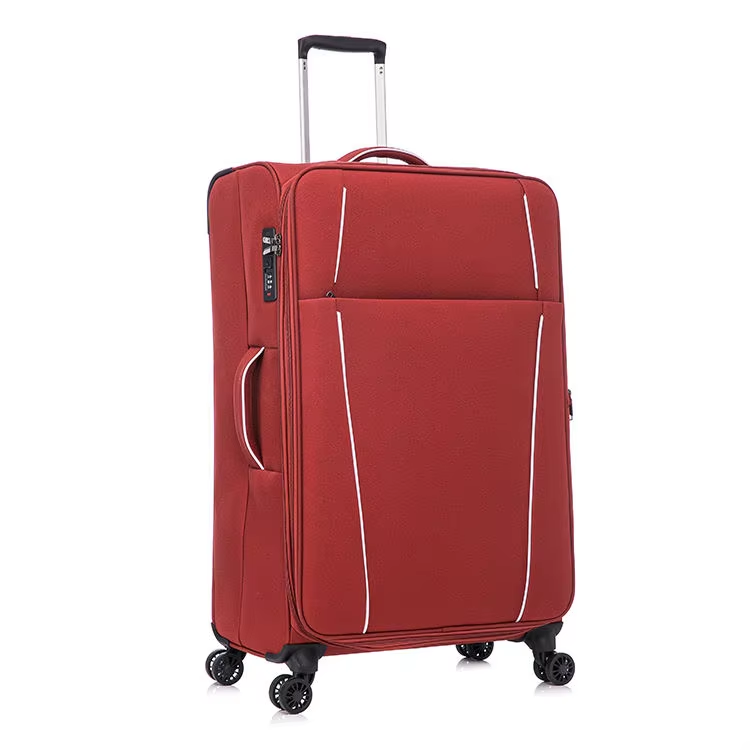
Hard shell suitcases definitely stand up better when bumped around, but they show those annoying surface scratches faster, especially if made from shiny polycarbonate or aluminum. Soft shells handle abrasions much better without showing damage right away, although they still get torn, punctured, or stained by spilled drinks and those metal luggage carts we all know too well. Some independent testing suggests hard shell bags can take about three times as much rough handling as their soft counterparts while moving through airports. Still worth noting though, soft shell bags weigh about 15 to 20 percent less and pack down smaller which is great for squeezing into tight overhead compartments. If hiding scratches over time matters, look for textured hard shells like those diamond pattern polycarbonate ones, or go with darker colored soft shell fabrics. This isn't just my experience talking either, The Ultimate Guide to Choosing the Right Carry On actually backs this up. Most major brands are now adding corner reinforcements to hard shells and using rip stop nylon in their soft shell constructions to find that sweet spot between lasting strength and looking decent after months of travel wear and tear.
Proven Durability: What Real-World Testing Reveals About Suitcase Scratch Resistance
Lab tests simulate all sorts of rough treatment luggage actually gets in the real world. Think conveyor belts rubbing against cases, bumpy carts rolling over cobblestones, and those rough handling sessions we all dread at airport security checkpoints. When it comes to keeping surfaces looking good, textured polycarbonate shells hold up remarkably well. After going through what's basically 50 simulated flights worth of punishment, these textured surfaces still maintain around 85% of their original scratch resistance. That's pretty impressive when compared to smooth finishes which drop down to about 62% according to the Luggage Durability Lab report from last year. The cobblestone cart tests tell another story though. Aluminum tends to get permanently damaged when hit with impact loads around 15kg, but thermoplastic composites just bounce back with minor scuff marks. Manufacturers have started adding reinforced corners to their premium products lately, and it works wonders. These strengthened corners cut down on deep scratches by roughly 40%, no matter what kind of material forms the main body of the suitcase.
Airport Handling Stress Tests: Conveyor Belts, Cobblestone Carts, and TSA Abuse Patterns
Standardized drop tests onto baggage carousel replicas confirm polycarbonate absorbs three times more impact energy than ABS before cracking. Repeated 30cm tumbles onto simulated cobblestone surfaces yield these abrasion metrics:
| Material | Visible Scratches per 10 Drops | Deep Gouges (>0.5mm) |
|---|---|---|
| Polycarbonate | 8.2 | 0.3 |
| Aluminum | 3.1 | 1.9 |
| ABS Plastic | 12.7 | 0.8 |
TSA manual handling simulations— including forced zipper cycling and corner strikes— demonstrate textured surfaces hide 70% more abrasions than glossy ones under identical abuse cycles.
Long-Term Field Data: 2-Year Wear Insights from Frequent Travelers
A 2024 survey of 470+ business travelers (Global Travel Gear Report) quantifies real-world performance:
- Polycarbonate users report 2.4× fewer deep scratches than aluminum owners after 50+ flights
- Matte-finish suitcases show 57% less visible wear than glossy counterparts
- Hardshell designs with micro-diamond patterns camouflage 90% of surface abrasions
Reinforced corner bumpers— adopted widely after field data showed they reduce scratch depth by 60% over 24 months— now appear across mid- to high-tier models. Dark-colored luggage further enhances concealment, demonstrating 45% better visual retention in long-haul scenarios.
Smart Design Features That Hide or Prevent Visible Scratches on Your Suitcase
Matte Finishes, Textured Surfaces, and Dark Color Palettes for Effective Scuff Camouflage
The majority of those annoying suitcase scratches are just superficial stuff, not anything that affects how well the case works. Smart design on the outer surface makes these little blemishes much harder to spot. When manufacturers go for matte finishes instead of shiny ones, light gets scattered differently so small abrasions don't stand out as much. Textured cases with patterns like diamonds or brushed metal break up straight scratch lines, making them look less obvious over time. Dark colors such as charcoal, navy blue, or plain black work wonders too because there's less contrast between damaged spots and good areas. Some tests actually showed that dark matte suitcases had around 40 percent fewer visible flaws compared to lighter glossy ones when put through similar wear scenarios. While none of these tricks stop damage completely, they definitely help control what we see, which means our bags stay looking newer for longer thanks to clever engineering choices.
FAQ
What materials are best for scratch resistance in suitcases?
Polycarbonate and aluminum are known for their durability, but they have different strengths. Polycarbonate is great for absorbing impact without cracking, while aluminum offers rigidity but can show scratches more easily. ABS and polypropylene blends provide a budget-friendly balance.
Why choose polycarbonate over aluminum?
Polycarbonate is lighter and has better impact resistance than aluminum, which makes it ideal for travelers who prioritize weight and durability over aesthetics.
How can I prevent scratches on my suitcase?
Opt for suitcases with matte finishes, textured surfaces, and dark colors to hide scratches more effectively. Reinforced corners also help reduce damage during travel.
Do hard-shell or soft-shell suitcases get scratched less?
While hard-shell suitcases are more prone to surface scratches, they offer better protection against impacts. Soft-shell cases are less likely to show scratches but are more susceptible to tearing or puncturing.
Table of Contents
- Material Science: Which Suitcase Materials Best Resist Scratches?
- Hard-Shell vs Soft-Shell Suitcases: Surface Durability in Real Travel Scenarios
- Proven Durability: What Real-World Testing Reveals About Suitcase Scratch Resistance
- Smart Design Features That Hide or Prevent Visible Scratches on Your Suitcase
- FAQ