
 EN
EN
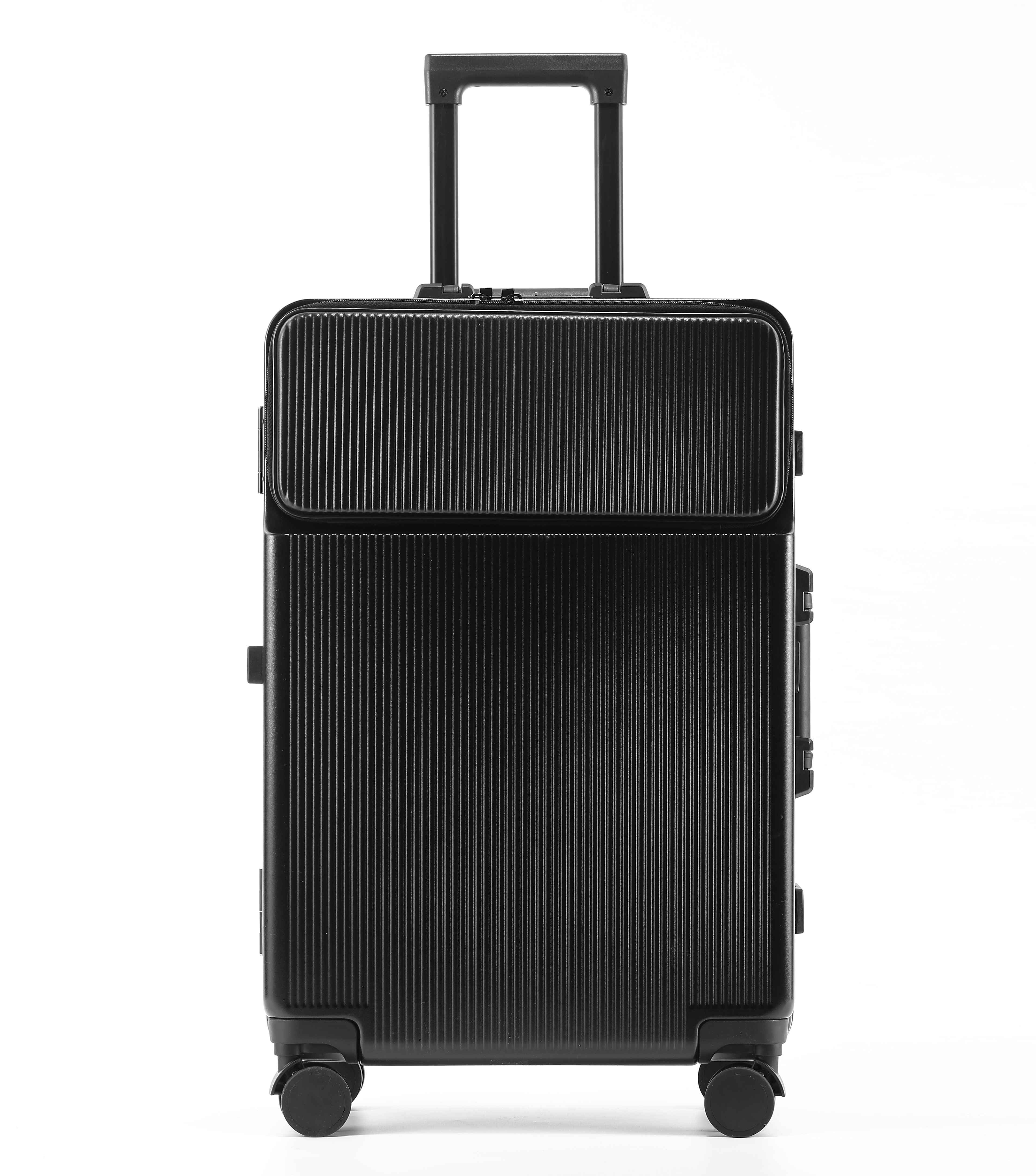
Weight and Material Efficiency: Why Lightweight Carry-On Luggage Reduces Travel Fatigue
The 7-lb threshold: How sub-7-lb carry-on luggage improves agility in urban transit and airport sprints
Carrying bags weighing less than 7 pounds makes all the difference when traveling in a hurry. According to a recent study called the Travel Ergonomics Report from 2023, people who pack lighter report about 64 percent less soreness in their shoulders while moving through busy airports or city transportation hubs compared to those dragging around heavier luggage. The magic number of 7 lbs means travelers can toss their bags into overhead compartments without breaking a sweat and maneuver through packed terminal spaces much faster. These small but important benefits become absolutely essential during those nail-biting connecting flights where timing is everything.
Polycarbonate vs. nylon vs. hybrid shells: Real-world durability-to-weight trade-offs for frequent short-trip travelers
Material selection directly impacts both weight and resilience. Polycarbonate excels in impact resistance at 2.5–3.5 kg, while nylon offers superior flexibility at 3.2–4 kg. Hybrid designs balance these properties at 2.8–3.8 kg. Consider these comparisons:
| Material | Avg. Weight | Scratch Resistance | Flex Tolerance | Ideal Use Case |
|---|---|---|---|---|
| Polycarbonate | 2.8 kg | Moderate | Low | Smooth urban transit |
| Nylon | 3.5 kg | High | High | Irregular terrain |
| Hybrid | 3.2 kg | Moderate-High | Medium | Mixed environments |
Frequent travelers should prioritize polycarbonate for paved environments and nylon for unpredictable routes. Hybrid solutions provide optimal versatility for varied short-trip conditions without compromising durability.
Size Compliance and Airline Flexibility: Ensuring Your Carry-On Luggage Meets Global Standards
Beyond the 22 × 14 × 9 inch rule: Why dimensional tolerance and soft-shell compression matter at TSA checkpoints
Standard carry-on sizes of around 22 inches by 14 inches by 9 inches are not set in stone. At TSA checkpoints, there's usually about half an inch of wiggle room, which gives soft shell bags a real edge because they can be compressed just enough. Travelers often find this helpful when trying to fit those slightly overpacked suitcases through the measurement gates without getting hit with extra fees at the gate. Hard sided cases don't offer this kind of flexibility though. Even if a bag is just a little bit too big, it gets rejected every time. Another plus for soft materials is how well they fit into weird shaped overhead compartments. During busy travel times, this can cut down on boarding delays quite a bit according to some estimates. For anyone who wants to make it through security smoothly, investing in luggage made from strong but flexible fabric makes all the difference at check points.
Regional carrier realities: Ryanair, Jetstar, and low-cost airlines’ 2024 size/weight enforcement data
Budget airlines enforce stricter carry-on rules than legacy carriers, with 92% of low-cost flights actively measuring luggage at boarding. Leading regional operators impose:
- Lower weight ceilings: 15 lbs vs. the standard 25 lbs
- Smaller dimensional allowances: Up to 2 inches less than IATA standards
- Higher fee frequency: $48–$98 per violation
Their rigid 2024 enforcement targets revenue optimization, with measurement devices deployed at 80% of departure gates. Travelers report soft-shell designs evade penalties three times more often thanks to compressibility. Always verify specific airline requirements before departure—policies vary significantly across routes.
Smart Organization for Short-Trip Packing: Maximizing Carry-On Luggage Capacity and Accessibility
Dual-compartment architecture vs. single-cavity designs: Efficiency gains for 1–3 day trips
The dual compartment design has really changed how people pack for short trips. Having two distinct areas makes organizing stuff much easier clean clothes go in one section while shoes, toiletries and other essentials fit nicely in the second part. This setup stops everything from moving around when traveling and makes finding things quicker once we arrive at our destination. Regular backpacks with just one big space need packing cubes to keep things organized, which takes up extra room and adds unnecessary steps. Many frequent travelers say they can unpack about 25 percent faster when using these dual compartment systems. Plus, fragile items stay safer since they're not getting crushed by heavier belongings. For those quick getaways lasting anywhere from a single day to three days, this kind of bag lets us plan outfits efficiently without bringing along too much stuff.
TSA-friendly laptop sleeves, quick-access toiletry zones, and compression systems — time-saving impact per boarding phase
Airport travel gets a lot easier when bags come with smart design elements. Many modern carry-ons include TSA approved laptop compartments that make removing electronics from security screening quick and painless, eliminating the need to dig through everything else in the bag. Some bags also feature special pockets for toiletries that keep all liquid items organized outside main storage areas, which helps speed things along during inspections by several minutes. Internal compression straps are another common addition, helping travelers pack more efficiently while keeping belongings secure during transport. All these thoughtful touches work together to reduce anxiety during boarding times, get passengers through checkpoints faster, and make it much simpler to reach important items once airborne.
Functional Performance Upgrades: Wheels, Security, and Smart Features in Modern Carry-On Luggage
4-wheel spinner mobility on real-world surfaces: Cobblestone, escalators, and crowded concourses (UL Mobility Index 2023)
Modern carry-ons mostly use four-wheel spinner systems because they handle tight spaces much better than older models. Some testing indicates these wheels cut down resistance by around 40% compared to traditional two-wheel bags when moving over rough ground such as cobblestones. According to recent mobility research from UL in their 2023 report, spinner suitcases stay stable about 92% of the time even on busy airport escalators and packed terminals. That kind of stability really makes a difference for travelers making quick connections who need to dash between gates efficiently. Plus, the lightweight polycarbonate frames help everything roll smoother no matter what surface someone might be walking on at the airport.
TSA-approved locks and emerging smart integrations (GPS tracking, weight sensors) — practicality vs. premium cost for short-haul use
Combination locks approved by TSA are still pretty important if someone wants to avoid headaches during airport checks. Sure, there are these fancy features now like GPS trackers and weight sensors that actually help stop bags from getting lost between flights or saving money on overweight baggage charges. But according to what I've read in various industry publications, adding all those tech extras typically pushes the cost of suitcases up somewhere around $120 to maybe even $200 extra. Most people who travel frequently but keep it local probably don't need anything beyond standard TSA locks for regular trips. Save the expensive smart stuff for really valuable items or when going on those rare extended international journeys where spending that extra cash actually makes financial sense in the end.
FAQ
Why is a lightweight carry-on important for travel?
A lightweight carry-on, typically under 7 lbs, reduces travel fatigue and soreness and allows for easier navigation through airports and city transit.
What materials are best for carry-on luggage?
Polycarbonate is ideal for smooth urban transit, nylon is best for irregular terrain, and hybrid shells work well in mixed environments.
How does soft-shell luggage benefit travelers at TSA checkpoints?
Soft-shell luggage can be compressed, allowing for easier compliance with size restrictions at checkpoints and reducing the chance of additional fees.
What should be considered when selecting a carry-on for short trips?
Duel-compartment designs are ideal for organizing clothes and essentials efficiently, and TSA-friendly features can expedite security processes.
Are smart features in carry-on luggage worth the extra cost?
While GPS and weight sensors can add significant cost, they may be worthwhile for transporting valuable items during extended international trips.
Table of Contents
- Weight and Material Efficiency: Why Lightweight Carry-On Luggage Reduces Travel Fatigue
- Size Compliance and Airline Flexibility: Ensuring Your Carry-On Luggage Meets Global Standards
- Smart Organization for Short-Trip Packing: Maximizing Carry-On Luggage Capacity and Accessibility
- Functional Performance Upgrades: Wheels, Security, and Smart Features in Modern Carry-On Luggage
- FAQ