
 EN
EN
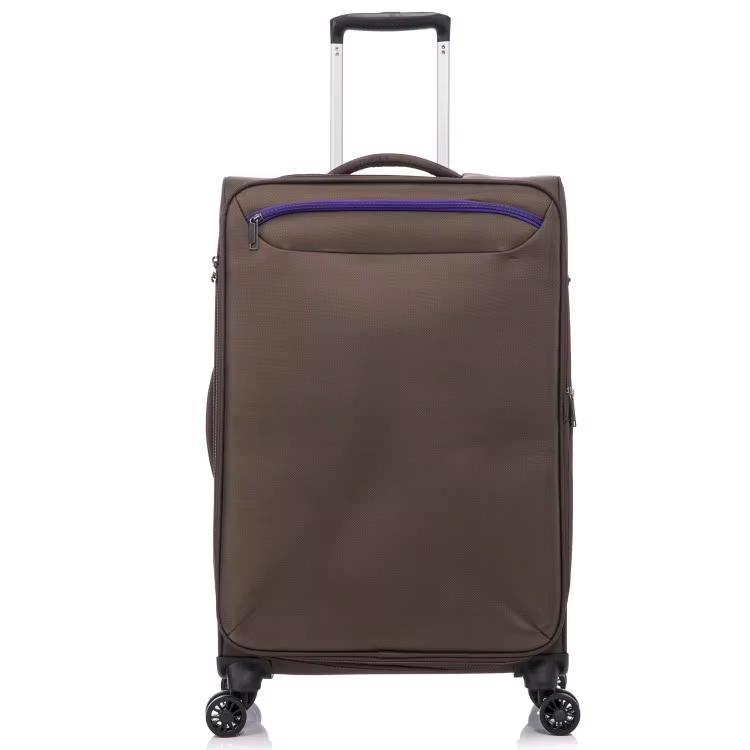
Ideal Size and Weight for Independent Handling
Matching Dimensions to Child Height and Physical Development
When picking out luggage for kids, getting the right size really makes a difference in both comfort and confidence levels. Preschoolers who are around 110 cm tall or shorter will find it much easier with bags that stand about 45 cm high at most, which is roughly where their hips would be. These sizes help prevent them from having to lift or drag the bag in awkward ways. For school aged kids between 110 and 140 cm tall, something closer to 50 to 60 cm works better because they can pull it along comfortably with their forearms positioned naturally. The main things to look at are how far down the handle reaches when standing straight (it shouldn't go past their shoulders) and the overall depth of the bag (around 20 cm max so little arms can fit around it). According to research published in the Pediatric Ergonomics Review last year, over two thirds of children end up using bad posture when their bags aren't properly sized, often dragging them sideways or lifting them overhead. So think about proportionality too: compact frames work well for those with shorter torsos while narrower widths make sense for small hands trying to grip handles.
The 2.5–4.5 kg Sweet Spot: Why Weight Determines True Autonomy
Weight directly impacts a child’s ability to self-manage luggage long-term. Loads under 2.5 kg lack structural stability, while exceeding 4.5 kg causes rapid fatigue reducing travel independence by 41%, per the Journal of Pediatric Mobility (2022). This optimal range supports developing musculature without overtaxing young bodies:
| Weight Range | Child Capability | Key Benefit |
|---|---|---|
| 2.5–3.5 kg | Ages 4–6 | Easy stair navigation |
| 3.5–4.5 kg | Ages 7–10 | Endurance for airport distances |
| Lightweight composites like polycarbonate achieve durability within this threshold unlike heavier traditional materials. A fully packed case should not exceed 10% of the child’s body weight to preserve natural gait and rolling control. |
Ergonomic Design Features That Support Young Travelers
Adjustable Trolley Handles and Low-Profile Bases for Natural Posture
Good ergonomic design starts with getting things aligned properly. The telescopic handles need to reach around hip level for kids, which is roughly 40 to 50 percent of their overall height. This helps keep the spine in a natural position when they're using whatever device it is. Those low profile bases that sit no more than 15 centimeters off the floor make all the difference too. They give better stability and cut down on wrist strain by about thirty percent compared to regular models. Kids can stay upright without having to lean forward or stretch out awkwardly. Stronger bottom sections spread the weight evenly across the base, so there's less chance of tipping over when someone makes an abrupt stop or turn. And don't forget those padded handles shaped to fit the hand comfortably. They really help reduce discomfort spots after long periods of use, making everything just a bit more pleasant overall.
360° Spinner Wheels vs. Inline Wheels: Performance Across Real-World Surfaces
The way mobility systems work makes all the difference when someone needs to get around on their own. Quad wheel spinners do great on flat surfaces such as those found in airports, needing about half again less effort to turn compared to regular inline wheels. But when things get bumpy, like walking over sidewalks with cracks or old cobblestone streets, inline wheels hold up better. Spinner wheels tend to get stuck or just plain wobble in these conditions. People who move between different environments often find hybrid models quite helpful. These typically feature bigger inline wheels at least seven centimeters across, which seems to handle most situations pretty well. Tests have shown that wheels with sealed bearings actually last three times longer than the basic plastic ones out there, no matter what kind of setup they're part of.
Age-Appropriate Kids Luggage Options by Developmental Stage
Toddlers (3–5): Soft-Sided Carry-Ons with Pull-Strap Anchors and Stability Features
For little ones just learning to travel, soft sided bags work wonders because they bend instead of breaking when bumped around. The material gives a bit which helps protect delicate items inside while still letting kids move their bags easily through crowded spaces. Most good toddler suitcases come with pull straps positioned right where tiny bodies need them - around belly button height actually makes dragging possible without toppling over or hurting shoulders. When shopping, look for wider bases that prevent flipping, handles with padding that fit those small fingers properly, and wheels designed specifically for carpeted floors and polished tiles. Parents should watch the weight though. Experts suggest anything heavier than about 2.5 kilograms might discourage kids from carrying it themselves and could mess with how they stand and walk naturally as they grow.
School-Age Kids (6–10): Lightweight Hard-Shell Luggage with Customizable Handles and Visual Cues
Lightweight polycarbonate hard shell cases are great for kids who need something that won't break when dropped during all that running around between classes and sports practices. These cases usually weigh less than 3.5 kg when empty, which makes them easy enough for little ones to carry themselves. Most have those triple height adjustable handles that actually work pretty well as children grow taller over time, keeping things comfortable even as they stretch from about 115 cm up to nearly 145 cm tall. Bright colors and fun designs like color blocked sections or custom stickers really help kids spot their bags among hundreds at airports or train stations. Smart companies also think about how parents navigate different surfaces, so many models come with textured side grips and spinner wheels that sit lower in the case body to avoid getting caught on rugs or uneven sidewalks.
FAQ
What is the ideal size of luggage for a preschooler?
The ideal luggage size for preschoolers around 110 cm tall or shorter should be about 45 cm high. This height ensures comfort and prevents awkward lifting or dragging.
At what weight does luggage become too heavy for a child?
Luggage should not exceed 4.5 kg as this can lead to rapid fatigue and reduced travel independence. It's recommended that a fully packed case should not exceed 10% of the child’s body weight.
What are the major benefits of 360° spinner wheels for kids' luggage?
360° spinner wheels require less effort to turn on flat surfaces, such as airports, making them more suitable for younger children. However, they might not perform as well on uneven surfaces like cobblestone streets.