
 EN
EN
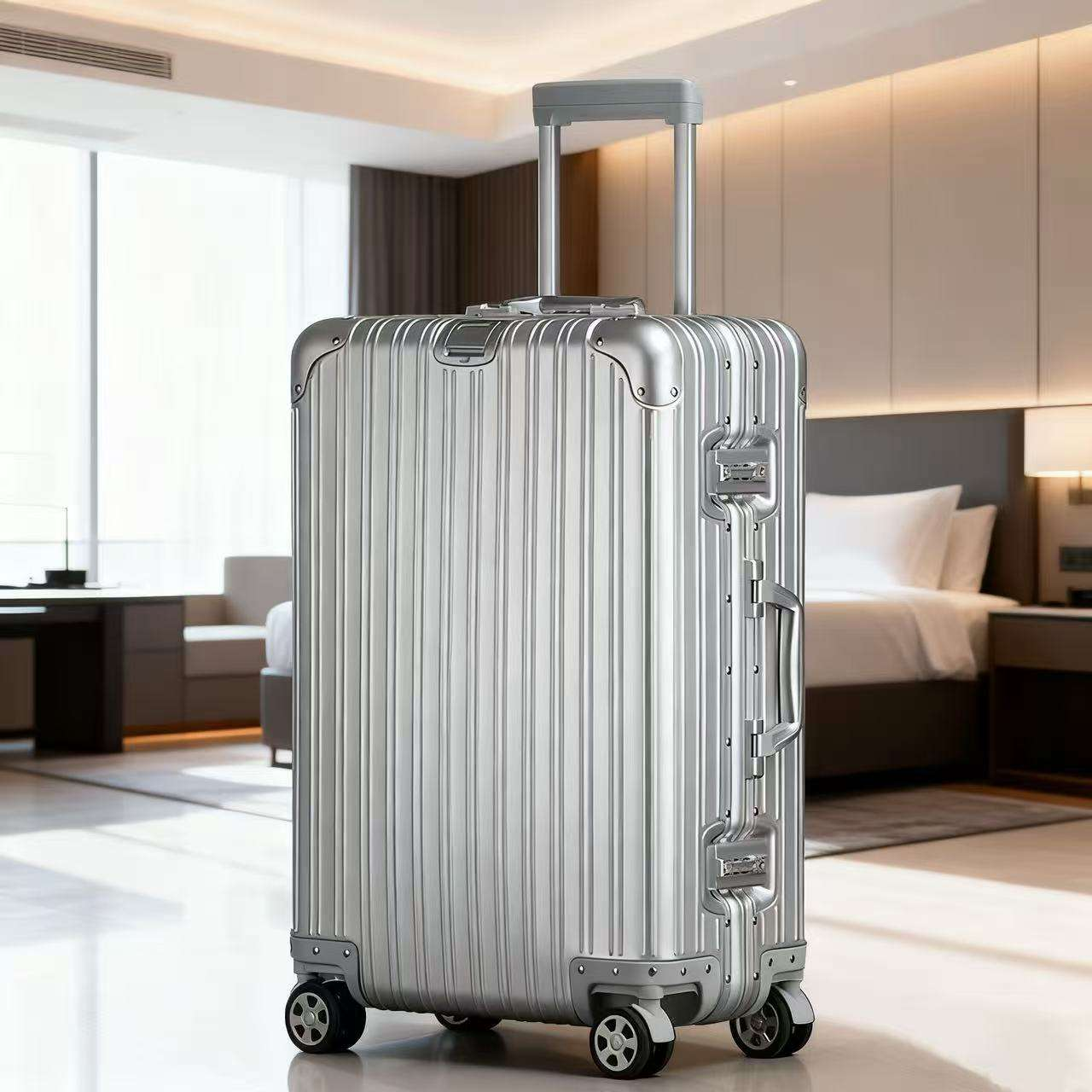
Exceptional Impact Resistance and Structural Durability of PP Luggage
How Polypropylene’s Crystalline Structure Absorbs Shock Without Cracking
The strength of polypropylene (PP) luggage comes from its unique molecular structure where rigid crystal parts sit within flexible non-crystal areas. When something hits the suitcase, this combination works together to absorb the shock. Instead of breaking outright, the material actually bends and then snaps back into shape. This is very different from other plastics that just crack when stressed repeatedly. Tests following ASTM D5276 standards show these PP cases can take multiple drops from five meters without showing any cracks at all. That kind of performance really matters when bags get tossed around during travel or accidentally dropped somewhere. Plus, since PP resists wearing out over time, people don't need to replace their suitcases as often because they keep holding up despite all the bumps and bruises they encounter on the road.
Cold-Weather Performance: Drop Test Results vs. ABS and Polycarbonate (−10°C to 40°C)
Polypropylene (PP) stands head and shoulders above both ABS and polycarbonate when it comes to withstanding extreme temperatures ranging from minus 10 degrees Celsius in arctic conditions right up to 40 degrees on hot tropical tarmacs. When put through rigorous drop tests at minus five degrees Celsius, about two thirds of ABS samples cracked under impact. Polycarbonate wasn't much better either showing signs of stress whitening in nearly half of the test drops, which basically means the material was starting to break down at a microscopic level. The good news is that polypropylene didn't crack even once across all these temperature extremes. This impressive performance stems from its relatively low glass transition temperature around minus 20 degrees Celsius, making it resistant to becoming brittle in freezing conditions. As a result, suitcases made from PP continue to absorb shocks effectively whether they're stored in airplane cargo holds or being handled during winter flights. Real world data backs this up too. Airlines flying regular routes through colder climates have seen their damage claim rates drop by roughly 22% when switching to PP luggage instead of traditional ABS or polycarbonate options, proving just how reliable this material remains across different climates worldwide.
Lightweight Efficiency—Maximizing Carry-On Compliance and Fuel Savings
Density Advantage: PP Luggage Weighs 15–25% Less Than ABS or PC at Equal Volume
Polypropylene has a natural density range between 0.90 and 0.91 grams per cubic centimeter, which means it can cut down on weight by around 15 to 25 percent compared to materials like ABS plastic or polycarbonate when making items of the same size. The best part? The shells stay just as strong and resistant to impacts. This kind of weight saving makes all the difference when trying to pack within airline carry-on restrictions, particularly those pesky budget airlines that won't let anything over seven kilograms onto the plane. Airlines themselves benefit too. Every single kilogram shaved off luggage translates into roughly 0.003 metric tons less carbon dioxide emitted annually from each airplane. Multiply that across an entire fleet of planes and the environmental savings start adding up pretty quickly.
Strategic Fit for Airline Weight Limits and Sustainable Logistics (e.g., Reduced CO₂ per Unit Shipment)
PP’s low mass delivers measurable operational and environmental advantages across transport modes:
| Impact Dimension | Operational Benefit | Sustainability Outcome |
|---|---|---|
| Fuel Efficiency | 10% weight reduction improves cargo transport fuel efficiency by 6–8% | Lower CO₂ emissions per shipment |
| Payload Optimization | Enables 12–18% more units per truckload vs. heavier materials | Fewer trips required for same cargo volume |
| Airline Operations | Consistently meets sub-7 kg carry-on thresholds | 15–20% lower aircraft fuel burn vs. overweight baggage |
This alignment with weight-sensitive logistics supports the International Air Transport Association’s (IATA) 2050 net-zero emissions mandate—where even marginal per-unit reductions contribute meaningfully to industry-wide decarbonization.
Reliable Environmental Resistance for Global Distribution and Harsh Conditions
Near-Zero Moisture Absorption (<0.01%) Ensures Consistent PP Luggage Performance in Humid Ports and Monsoon Regions
Polypropylene has this amazing ability to repel water, with moisture absorption rates below 0.01%, which keeps things stable dimensionally even when humidity levels spike. Most other materials just fall apart in these conditions. Traditional composite materials can soak up as much as 0.6% moisture, leading to all sorts of problems like swelling, warping, and weakening from within during long sea voyages or storage during those brutal monsoons in warehouses. Logistics managers actually see about 92% fewer container damage reports when they switch to PP containers at places like Singapore and Mumbai ports. The fact that it doesn't absorb moisture means no mold growing on surfaces either, and protects sensitive electronic components from rusting out. For businesses shipping goods throughout Southeast Asia or along coastal routes, this matters a lot. Getting rid of these moisture issues saves companies roughly $740 thousand each year globally in replacement costs, according to research from the Ponemon Institute last year.
Cost-Effective Scalability: Balancing Raw Material Economics and Long-Term ROI
PP Luggage Production Cost Breakdown: 30–40% Lower Material Spend vs. Polycarbonate Without Compromising Core Travel Functionality
Polypropylene luggage actually costs around 30 to 40 percent less in raw materials compared to polycarbonate options. This is mainly because PP is considered a commodity material and the processing methods are much more energy efficient. When it comes to injection molding, manufacturers need significantly less heat and pressure, which cuts down on overall energy consumption by approximately 15 to 20%. Plus, the tooling requirements become simpler too. What makes this even better for businesses is that none of these cost savings come at the expense of quality. Tests show that PP holds up just as well against impacts according to ASTM D5276 standards and maintains similar zipper strength per QB/T 2175-2018 specifications. The moisture absorption rate stays below 0.01%, matching what we see in higher end materials. Looking at full lifecycle assessments, most companies find over 90% functionality comparable to those expensive alternatives. Travel brands adopting PP can expect faster returns on investment since they can scale production more easily, put money back into their supply chains or product designs, and typically recoup initial expenses within 18 to 24 months without compromising on safety or durability standards required by the industry.
FAQ
What makes polypropylene luggage resistant to impact?
Polypropylene's unique molecular structure, with rigid crystalline parts embedded within flexible non-crystal areas, allows it to absorb shock effectively. When hit, the material bends and snaps back into shape instead of cracking.
How does polypropylene perform in cold temperatures compared to ABS and polycarbonate?
Polypropylene stands out in extreme temperatures, from -10°C to 40°C, as it remains uncracked even in drop tests at -5°C. In contrast, ABS and polycarbonate showed signs of stress and cracking under similar conditions.
Why is polypropylene considered more environmentally friendly for luggage?
With lower density, polypropylene luggage weighs 15-25% less than its ABS or polycarbonate counterparts, leading to fuel savings in transport. Additionally, it contributes less CO₂ emissions per shipment.
Does polypropylene resist moisture absorption?
Yes, polypropylene has near-zero moisture absorption rates (<0.01%), making it ideal for use in humid and monsoon regions, unlike traditional composites that absorb up to 0.6% moisture.
Is polypropylene luggage cost-effective?
Yes, it costs 30-40% less in raw materials compared to polycarbonate, due to its efficient processing methods, without compromising on travel functionality.
Table of Contents
- Exceptional Impact Resistance and Structural Durability of PP Luggage
- Lightweight Efficiency—Maximizing Carry-On Compliance and Fuel Savings
- Reliable Environmental Resistance for Global Distribution and Harsh Conditions
- Cost-Effective Scalability: Balancing Raw Material Economics and Long-Term ROI
-
FAQ
- What makes polypropylene luggage resistant to impact?
- How does polypropylene perform in cold temperatures compared to ABS and polycarbonate?
- Why is polypropylene considered more environmentally friendly for luggage?
- Does polypropylene resist moisture absorption?
- Is polypropylene luggage cost-effective?