
 EN
EN
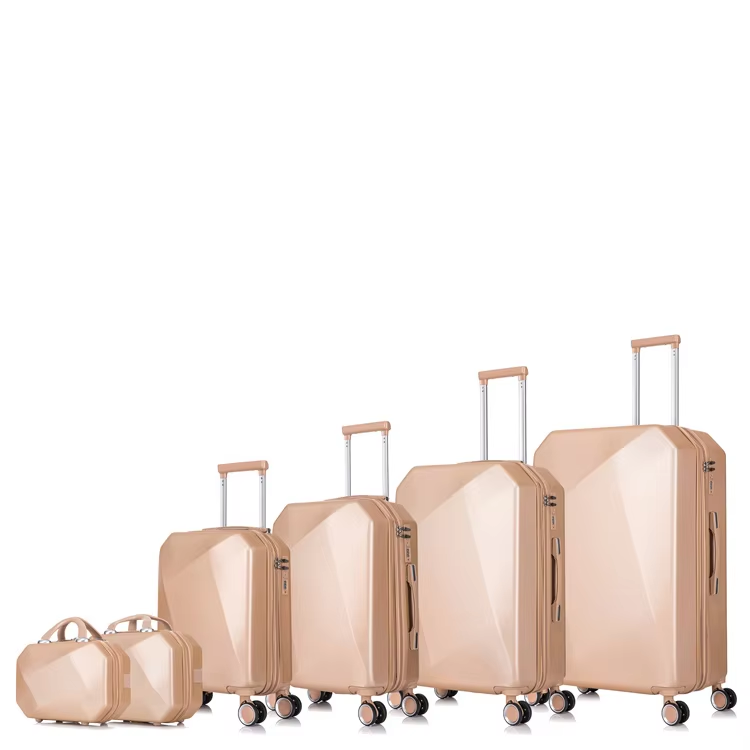
The Ideal Versatile Suitcase: Size, Expandability, and Carry-On Compliance
Why the 22–28L Capacity Range Is the Goldilocks Zone for Hybrid Travel
According to a recent survey from 2023 among airline travelers, around 72 percent of those who fly often tend to go for suitcases sized between 22 and 28 liters when planning trips that last several days. These bags fit about three to five days worth of stuff pretty well, leaving room for picking up souvenirs during the trip back home. What matters most is staying within those tight carry-on restrictions across different regions. Take Ryanair for instance they actually enforce a 20 liter limit for items stored underneath the seat. The smaller size makes getting these bags into overhead compartments much easier too. Inside, there's enough space to pack clothes in layers along with all the necessary toiletries and other small items without everything ending up crammed together.
How Smart Expandability (30% Margin) Enables Seamless Transition from Weekend to Two-Week Trips
Modern suitcases with expandable zippers can boost their capacity by around 30 percent, which adds roughly 8 liters to a standard 26 liter bag. That extra space works out to about ten more clothes items or special gear needed at the destination. Tests show these expansion limits actually hold up pretty well during travel compared to bags that try to expand too much and end up stretching out the seams. Travelers really appreciate this feature because they can pack for a short business trip and then extend their stay without needing to buy another suitcase or pay those annoying checked baggage fees at the airport. The frame design helps keep everything stable too, so the wheels don't stick out past airline size restrictions even after expanding the case.
Carry-On Suitcase Standards: Navigating Global Airline Restrictions Without Compromise
Decoding Regional Carry-On Limits: From Ryanair's 20L Soft Cap to Delta's 45L Allowance
Whether or not carry-on luggage meets requirements really comes down to what airline someone is flying with. For instance, European budget airlines such as Ryanair have strict size limits, usually around 20 liters for those small bags that fit under the seat. Meanwhile most US airlines including Delta allow much bigger sizes, sometimes going all the way up to 45 liters. Why this happens? Well, budget airlines want to get as many passengers through their gates quickly, so they keep things compact. Legacy carriers tend to install bigger overhead compartments because they cater to different customer expectations. Then there's Asia and the Middle East where airlines frequently throw in extra weight limitations too, typically capping at about 7 kilograms. Travelers trying to avoid hassle when moving between countries would do well to remember the IATA standard dimensions of 55 by 40 by 20 centimeters. Most big airlines accept this size range, making it pretty safe bet for international trips.
External Dimensions Matter Most: Why Wheel Housing and Handle Design Can Determine Gate Check Eligibility
Most airlines check luggage size at the gate with those strict measuring devices we all dread. Bags often get flagged because of sticking out wheels or handles that won't retract properly. Just the wheel housing itself can push a suitcase past Ryanair's 40x20x25cm limit by adding around 2-3 centimeters. For Delta and United travelers, extended telescopic handles count toward their linear inch requirements too. The good news? Luggage manufacturers have started making bags with hidden multidirectional wheels and self-retracting handles. These newer designs cut down on gate check problems by about two thirds, as shown in recent industry reports from 2024. That means fewer delays and avoiding those expensive $75+ fees when checking bags at the last minute.
Material and Weight Trade-Offs in a Multi-Trip Suitcase
Polycarbonate vs. ABS: Balancing Lightweight Agility with Long-Haul Durability
Polycarbonate bags stand up much better to impacts, which matters a lot for luggage that gets tossed around in cargo holds during those cross-country or international trips. However, these polycarbonate suitcases usually come in at about 30 percent heavier than their ABS counterparts (Acrylonitrile Butadiene Styrene). This extra weight cuts into how much stuff travelers can actually pack without going over airline restrictions. On the flip side, ABS materials are really lightweight, great for rolling through airports quickly as carry-ons, though they tend to crack easier when mishandled by baggage handlers. According to various tests conducted across the industry, polycarbonate can handle roughly twice the pressure before breaking down compared to other materials. So for folks who prioritize toughness over saving just a few pounds, polycarbonate remains the go to choice despite its heftier price tag.
Tare Weight Optimization: How Every 200g Saved Expands Your Packing Budget for Longer Trips
The base weight of a suitcase really determines how much stuff we can actually pack inside. Cutting down just 200 grams by choosing better materials or simpler hardware makes all the difference. That little saving creates space for another pair of shoes or maybe three to five business shirts within those standard 5-7kg carry-on allowances most airlines enforce. When planning longer trips instead of quick getaways, this matters even more. Lightweight polycarbonate options today weigh under 2.8kg for a 20L bag and perform as well as traditional ABS materials, but they handle dents about 40% better too. Considering around 57% of older airline companies stick to strict 7kg limits in the cabin, saving even 100 grams here and there can prevent getting hit with that typical $75 fee for overweight luggage at the gate.
Real-World Suitcase Performance: Features That Enable True Trip-Length Flexibility
When planning for everything from quick weekend escapes to extended travel adventures, certain design features just can't be beat. The expandable compartments give about 30% extra room when needed, so folks can pack more stuff without breaking the bag's structure. Most regular travelers actually mention this as one of their top concerns after testing various suitcases last year. Those heavy duty spinner wheels with sealed bearings really make a difference. They roll smoothly over rough cobblestone streets, airport terminals, and even bumpy sidewalks, which saves a lot of back pain during long trips with multiple stops. Inside, there are compression panels that keep clothes from getting all messed up, plus divider sections that let people organize things however they want whether they're bringing along just three changes of clothes or enough gear for two weeks. On the outside, the polycarbonate shell takes hits pretty well without adding much bulk to the suitcase. Plus, the zippers resist water damage and come with built-in TSA locks so security checks go faster at airports. All these little details work together to make one versatile piece of luggage that works for almost any kind of trip instead of needing different bags for different occasions.
FAQ
What is the ideal capacity range for a versatile suitcase?
For hybrid travel trips lasting several days, a suitcase with a 22–28L capacity is ideal as it accommodates three to five days of essentials comfortably.
How does smart expandability enhance travel flexibility?
Suitcases with smart expandability can boost their capacity by 30%, allowing users to extend their packing for longer trips without needing extra baggage.
What are the key regional carry-on restrictions?
European airlines like Ryanair enforce strict limits around 20 liters, while US airlines such as Delta provide larger allowances up to 45 liters.
Why is material choice important for suitcases?
Polycarbonate is durable and resistant to impact but heavier, while ABS is lighter but more prone to cracking. The choice depends on the traveler's priority between durability and weight.
Table of Contents
- The Ideal Versatile Suitcase: Size, Expandability, and Carry-On Compliance
- Carry-On Suitcase Standards: Navigating Global Airline Restrictions Without Compromise
- Material and Weight Trade-Offs in a Multi-Trip Suitcase
- Real-World Suitcase Performance: Features That Enable True Trip-Length Flexibility
- FAQ