
 EN
EN
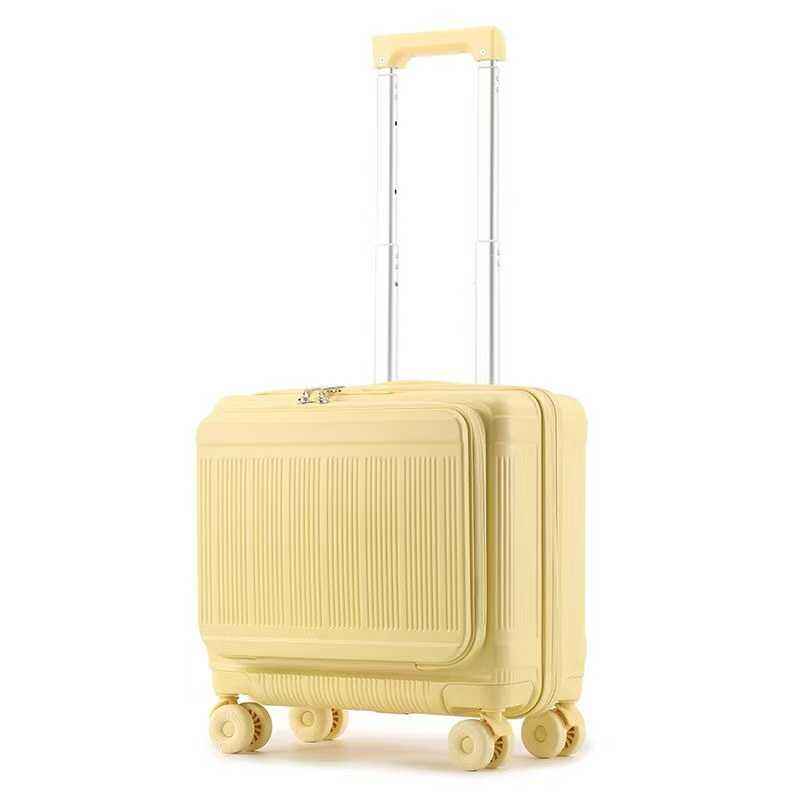
Sustainable Materials Driving the Future of Maletas Design
Growing Demand for Eco-Friendly Maletas Among Conscious Travelers
More than two thirds of people traveling around the world are starting to look for green luggage these days. They're doing this because they care more about the environment and airlines have gotten serious about their own sustainability goals according to the Travel Ethics Report from last year. Today's travelers want bags that actually last but also don't hurt the planet. Sales of these kinds of eco friendly suitcases have jumped nearly four times what they were back in 2020. What we're seeing here is part of a bigger trend among consumers. A lot of younger shoppers, about eight out of ten millennials, say they'll spend extra money if they know something is truly sustainable when it comes to travel equipment.
Recycled Polymers and Biodegradable Fabrics: Performance and Benefits
Leading manufacturers now use advanced materials that deliver durability without compromising sustainability:
- Post-consumer recycled polycarbonate: Matches virgin plastic in impact resistance while cutting carbon emissions by 40%
- Algae-based biopolymers: A fully biodegradable alternative that decomposes within 18 months—compared to over 450 years for conventional plastics
- Cork-infused textiles: Offer natural shock absorption and antimicrobial properties
These innovations eliminate the traditional tradeoff between sustainability and strength. Today's eco-friendly maletas pass rigorous 100+ lb compression tests and meet international fire-retardancy standards (ISTA 3E Certified), proving green materials can perform under real-world conditions.
Top Brands Pioneering Sustainable Innovation in Maletas
Industry leaders are setting new benchmarks through sustainable operations:
- Closed-loop production systems reclaim 92–97% of manufacturing waste
- Solar-powered factories reduce CO₂ emissions by 18 tons annually per site
- Blockchain-tracked sourcing ensures ethical, transparent supply chains
Third-party certifications like ECOMAP (Ecological Manufacturing Accountability Protocol) help consumers distinguish genuinely sustainable maletas from greenwashed products. Early adopters of these practices report 34% faster customer loyalty growth than conventional luggage brands.
Lightweight Durability: The Core of Carry-On Maletas
Why Ultra-Light Hard-Shell Maletas Dominate Modern Travel
Modern day travelers want bags that are light as a feather yet tough enough to survive airport chaos. The latest polycarbonate hard shell suitcases come in at around 8 pounds these days, according to Travel + Leisure's 2024 report. That represents about a third less weight than similar bags back in 2014. Carrying this kind of luggage makes all the difference when trying to stay under those pesky airline carry on restrictions without breaking a sweat. A recent Skift survey found something interesting too. About seven out of ten regular fliers put lightweight design right at the top of their wish list, sometimes even more important than how much stuff they can pack inside.
Polycarbonate vs. Aluminum: Comparing Strength and Weight in Maletas
| Material | Avg. Weight (26” Carry-On) | Impact Resistance | Dent Resistance |
|---|---|---|---|
| Polycarbonate | 7.2 lbs | 300 PSI | High flexibility |
| Aluminum | 9.8 lbs | 500 PSI | Prone to dents |
While aluminum provides higher rigidity, polycarbonate offers a 30% lighter build with comparable resilience, as shown in airline stress tests. Hybrid designs now combine aluminum corner guards with polycarbonate shells to enhance protection without sacrificing weight efficiency.
Tips for Selecting Lightweight, Airline-Compliant Carry-On Maletas
- Confirm dimensions using IATA's carry-on calculator for airlines like Delta and Emirates
- Choose bags under 8.8 lbs empty weight—the typical limit for premium economy cabins
- Opt for 360° spinner wheels, which reduce arm strain by 40% versus inline wheels (Ergonomics International 2023)
- Select TSA-approved locks integrated into the frame to avoid excess weight from add-ons
Convertible and Multi-Functional Maletas for Dynamic Travel Needs
The Shift Toward Modular and Adaptable Luggage Designs
Modern travel demands versatility—from city commutes to remote destinations. A 2024 luggage market analysis shows 63% of frequent travelers prefer modular maletas with work compartments, detachable daypacks, and compression systems. This trend aligns with tighter airline restrictions and the need to maximize utility without checking bags.
Innovative Features: Wearable Modes and Expandable Compartments
Top designs now include convertible straps for backpack-style carrying and multi-position telescopic handles. Key advancements include:
- Expandable zippers offering up to 40% more packing space (Verified Market Reports 2023)
- Removable battery compartments that double as portable power banks
- TSA-approved locks compatible with smart tracking devices
A 2023 study found 68% of travelers favor wearable modes for navigating crowded airports or uneven terrain. Leading brands now offer hybrid models that merge hard-shell protection with soft-shell adaptability.
Real-World Examples of High-Performance Convertible Maletas
Travel gear companies are coming up with some pretty clever stuff these days. Take those wheeled duffels with built-in garment bags that pop off when needed, or the hard case spinners that actually double as personal scooters once inside the airport. Pretty handy for rushing between terminals! A few standout designs even have outer panels that can be swapped out depending on where you're going. Need something waterproof for a beach vacation? There's a panel for that. Planning a ski trip? Grab an insulated version instead. According to numbers released by PR Newswire last year, sales of these versatile travel bags jumped by around 22%. Seems like folks are getting tired of packing multiple suitcases for different needs and just want one bag that does it all now.
FAQ
What materials are being used for sustainable maletas?
Manufacturers are using post-consumer recycled polycarbonate, algae-based biopolymers, and cork-infused textiles to create durable and sustainable maletas.
Are eco-friendly maletas as durable as traditional ones?
Yes, today's eco-friendly maletas pass rigorous tests and meet international standards, ensuring they perform well under real-world conditions.
Why is lightweight design important in carry-on maletas?
Lightweight designs help travelers stay within carry-on weight restrictions and ease the strain of carrying bags through airports.
What are convertible maletas?
Convertible maletas offer modular designs with features like detachable daypacks and expandable compartments, providing flexibility for various travel needs.